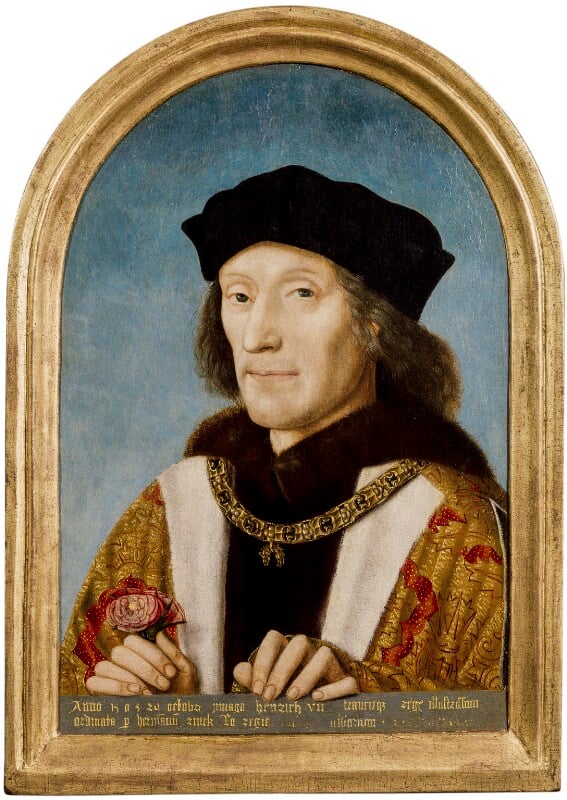
King Henry VII
Henry VII founded the Tudor dynasty after defeating Richard III at the Battle of Bosworth Field in 1485. He united the warring houses of Lancaster and York through his marriage to Elizabeth of York.
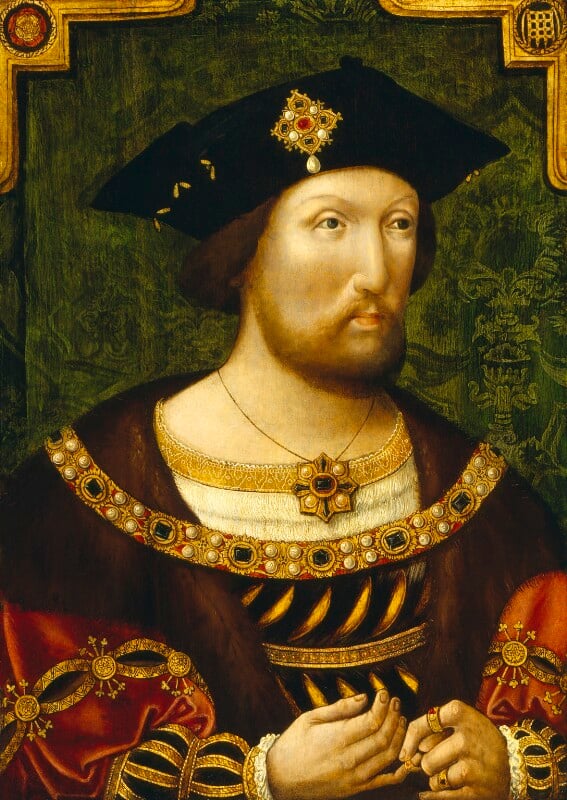
King Henry VIII
Henry VIII is perhaps the most famous English monarch, known for his six wives and the English Reformation. He established the Church of England and transformed English society.
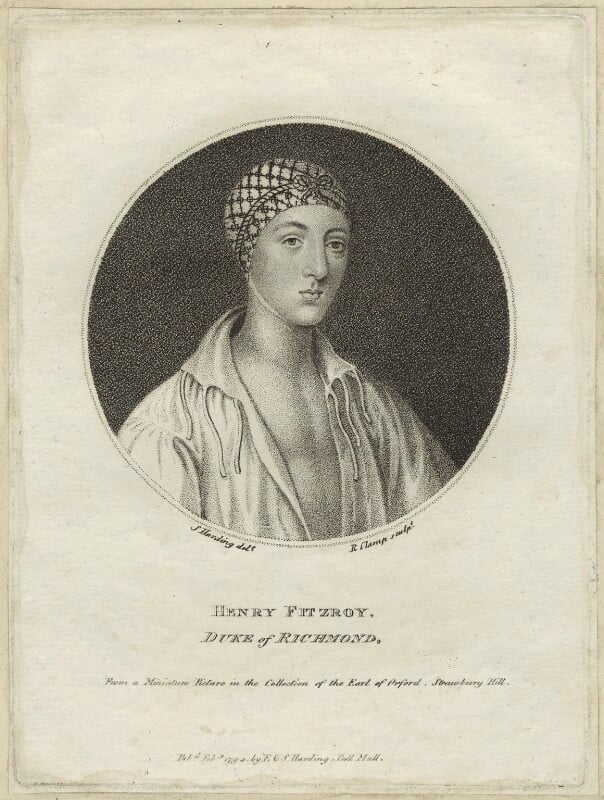
Henry Fitzroy
Henry Fitzroy was the only acknowledged illegitimate son of Henry VIII. Created Duke of Richmond at age 6, he was considered a potential heir before his untimely death at 17.
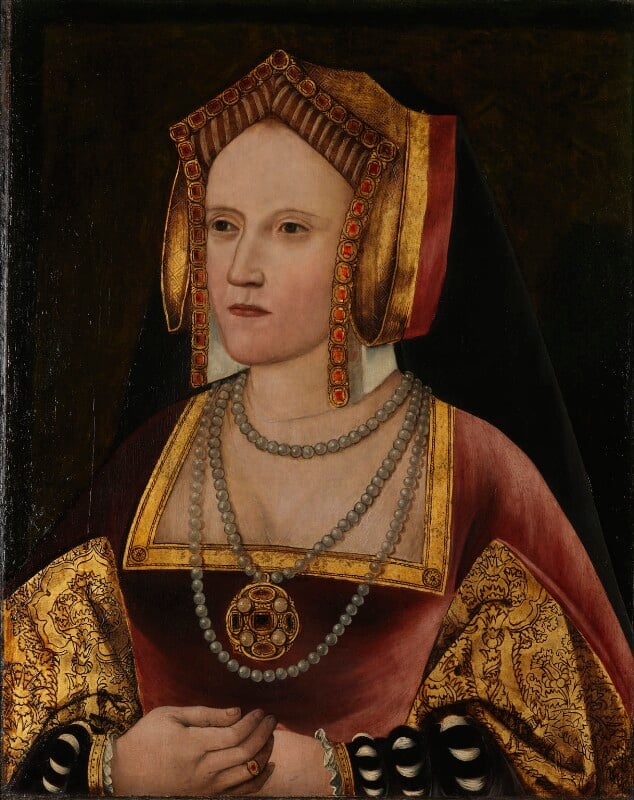
Catherine of Aragon
Catherine of Aragon was the daughter of Ferdinand and Isabella of Spain. Her refusal to accept an annulment led to Henry VIII's break with Rome and the English Reformation.
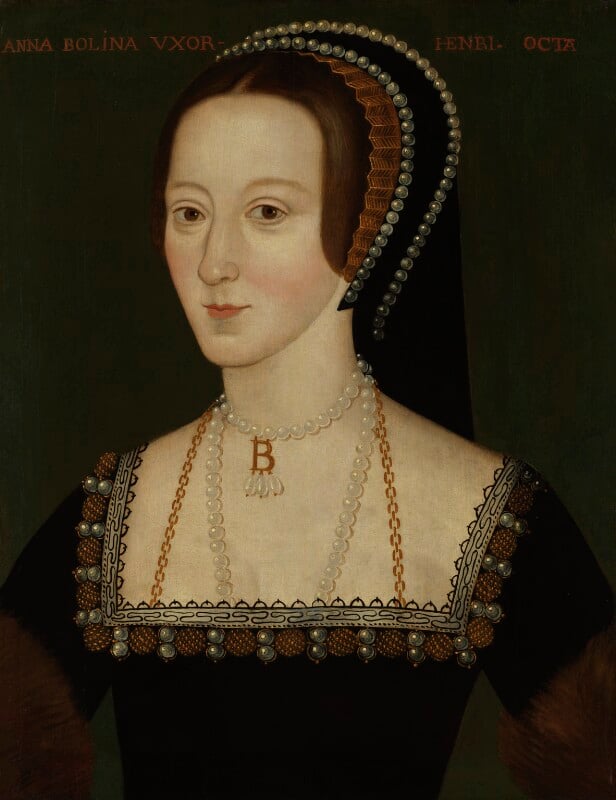
Anne Boleyn
Anne Boleyn captivated Henry VIII and became the catalyst for the English Reformation. She was the mother of Elizabeth I and was executed on charges now believed to be false.
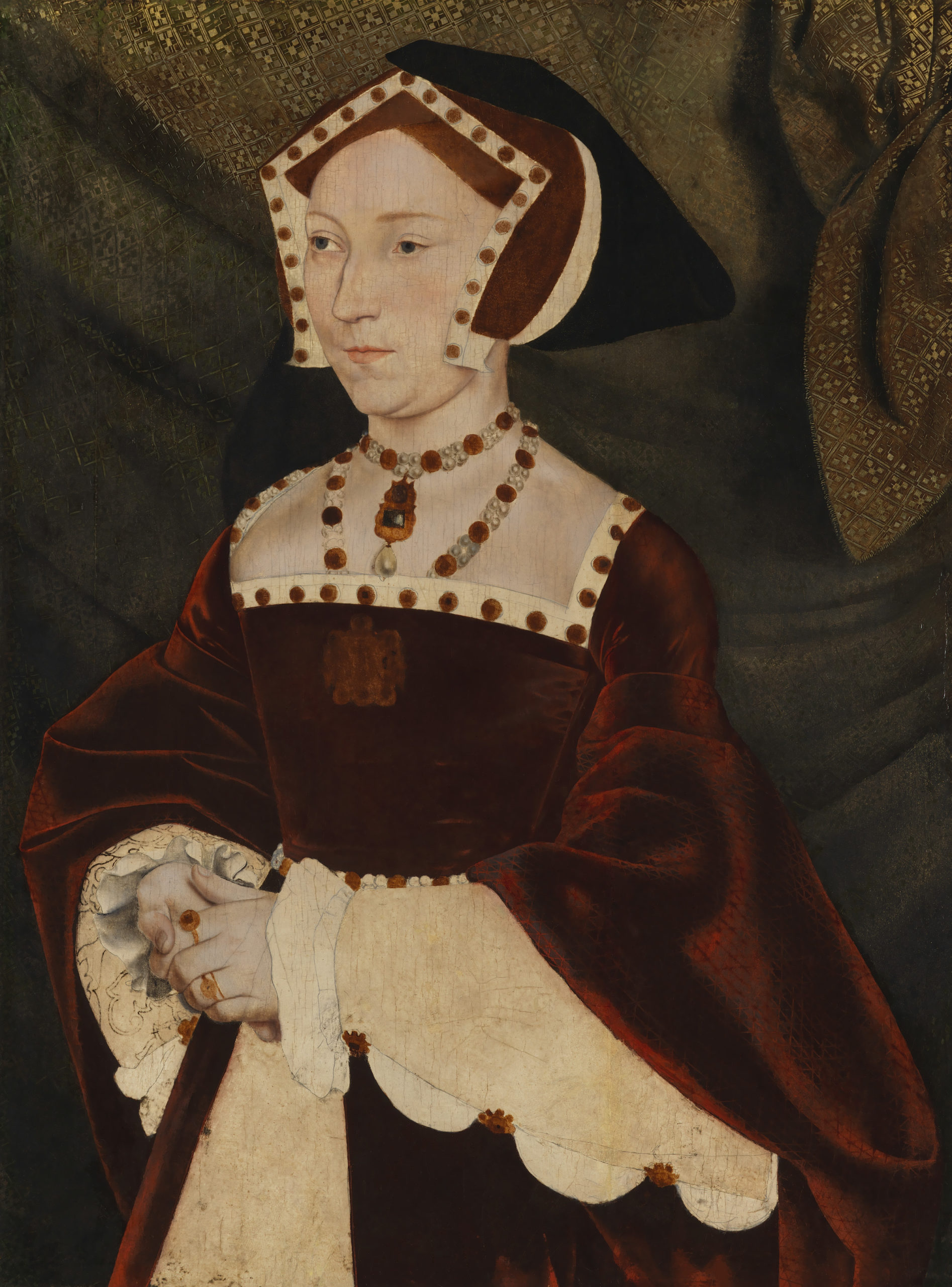
Jane Seymour
Jane Seymour was the only one of Henry VIII's wives to give him a surviving legitimate son, Edward VI. She died shortly after childbirth and was reportedly Henry's favorite wife.
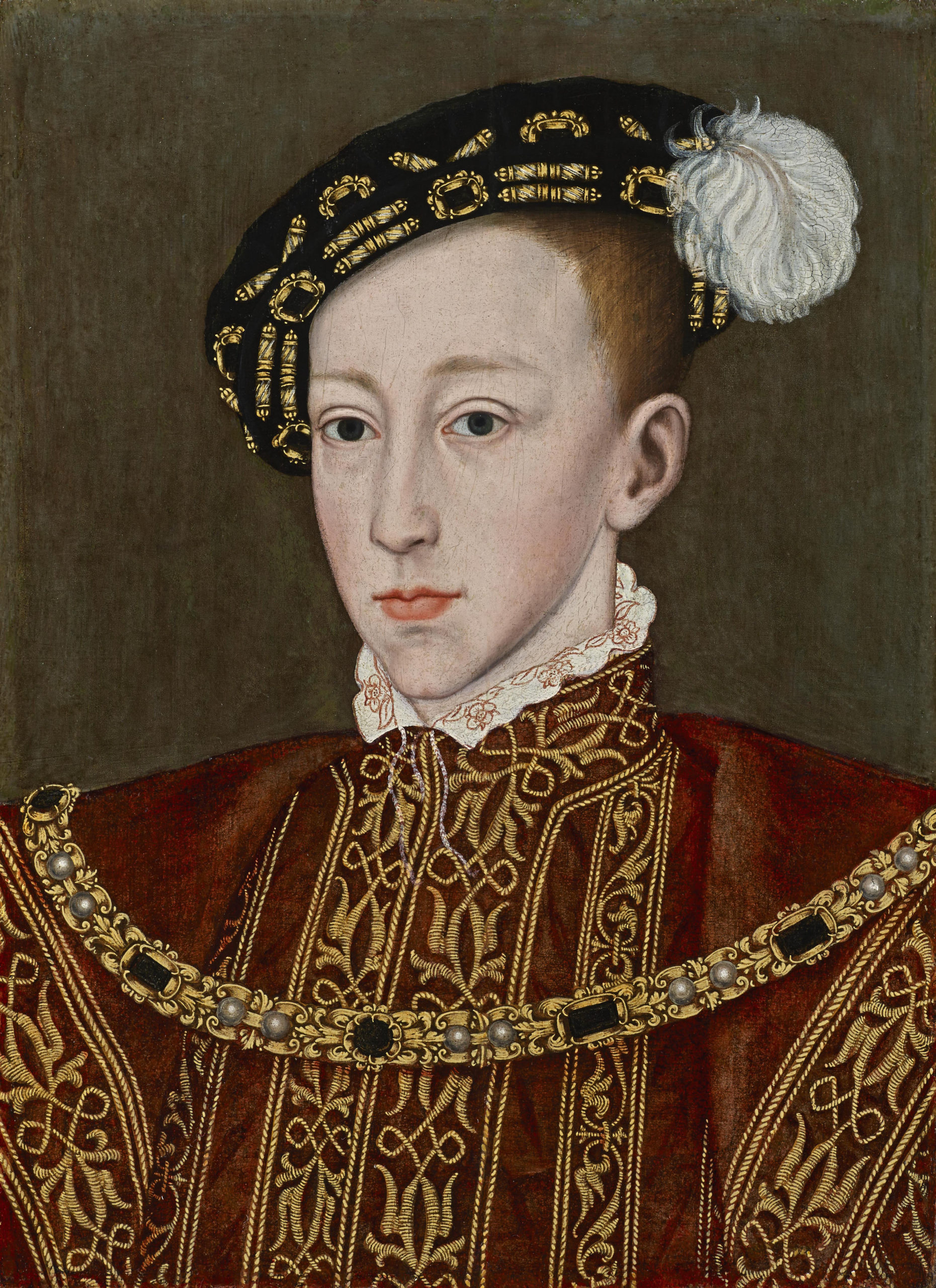
King Edward VI
Edward VI became king at age nine and was a devout Protestant who continued the English Reformation. He died at just 15, leaving England in religious turmoil.
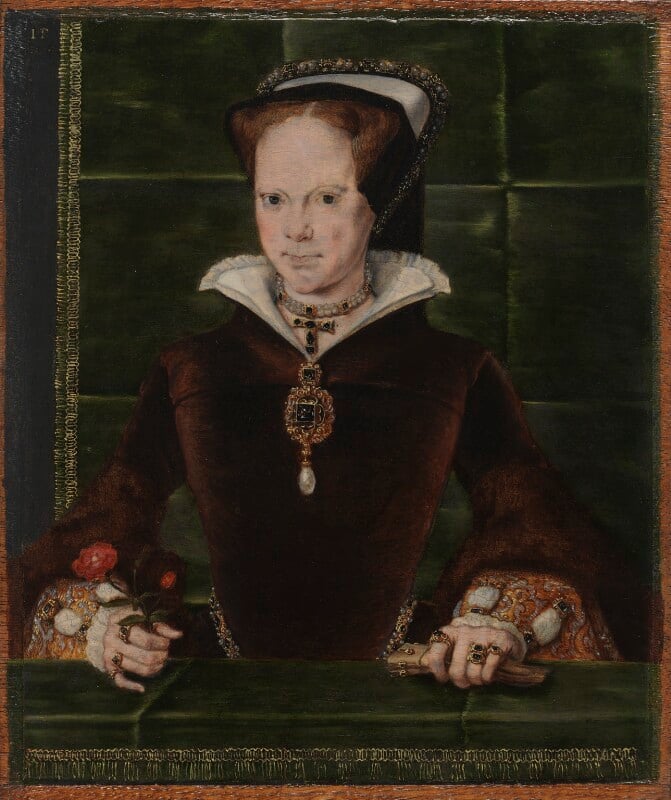
Queen Mary I
Mary I was the first queen regnant of England. A devout Catholic, she attempted to restore Catholicism and earned the nickname 'Bloody Mary' for the persecution of Protestants.
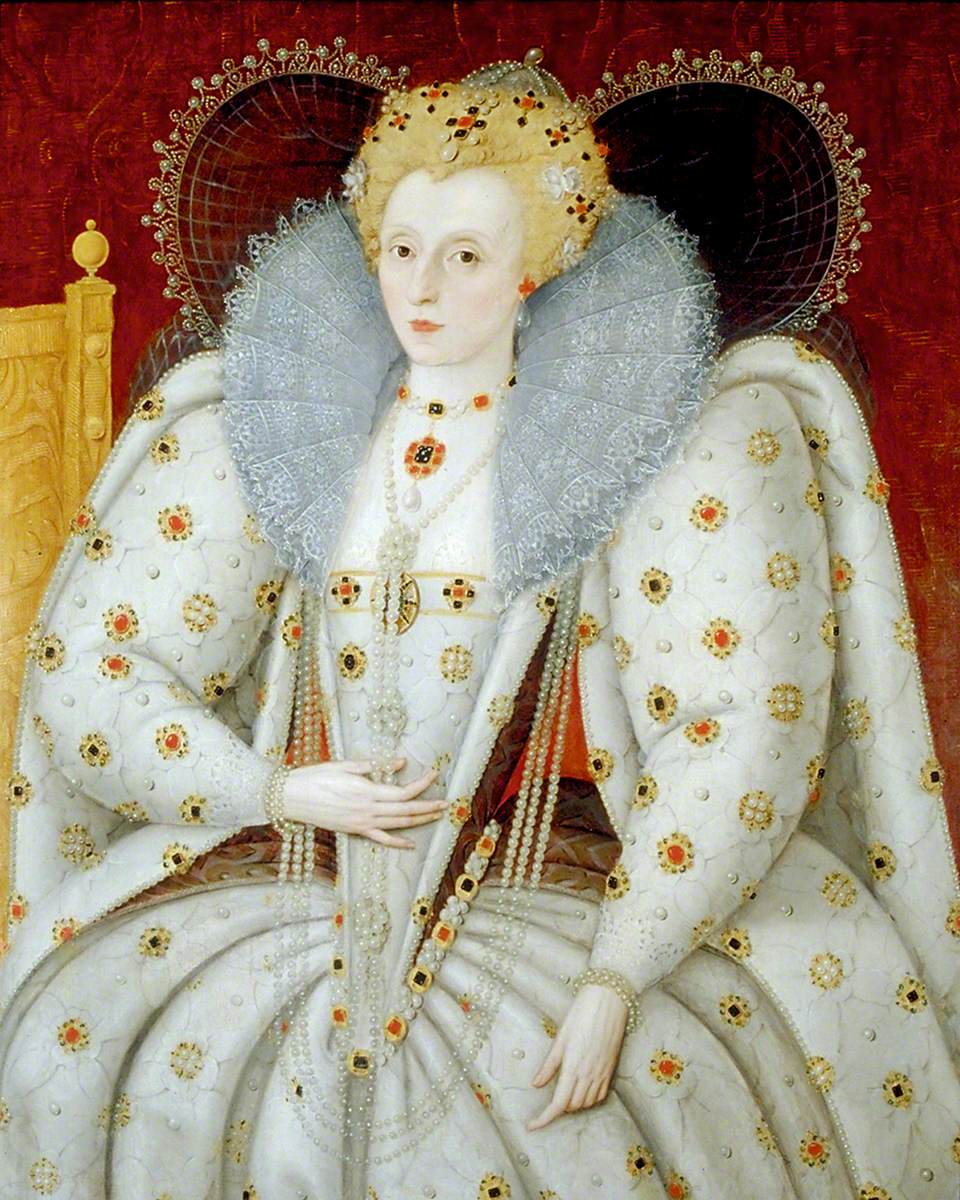
Queen Elizabeth I
Elizabeth I ruled England for 45 years during a golden age of exploration, literature, and naval power. She never married and was the last Tudor monarch.
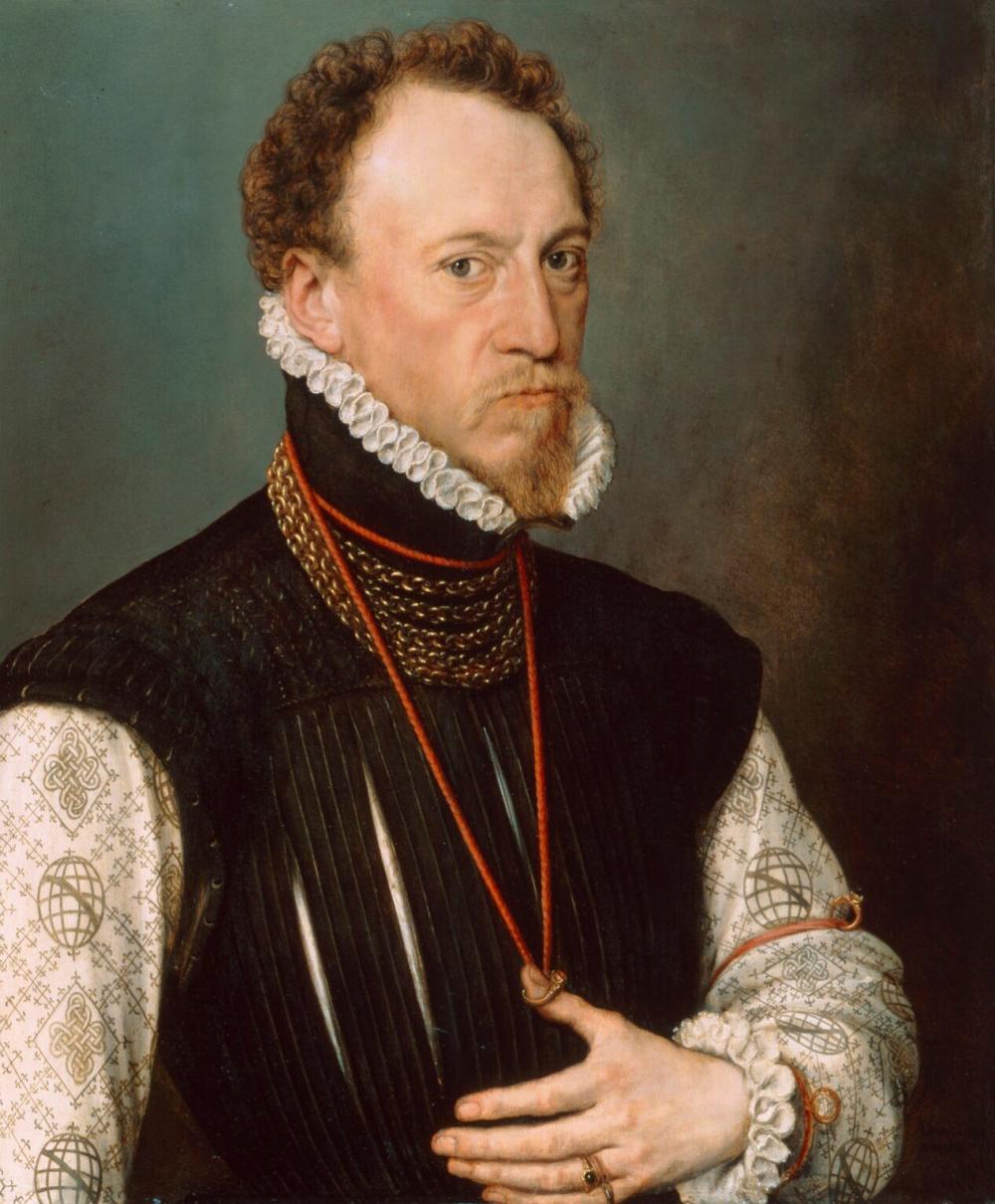
Sir Henry Lee of Ditchley
Sir Henry Lee was a courtier, soldier, and the personal champion of Queen Elizabeth I. He organized the elaborate Accession Day tilts and commissioned the famous Ditchley Portrait.