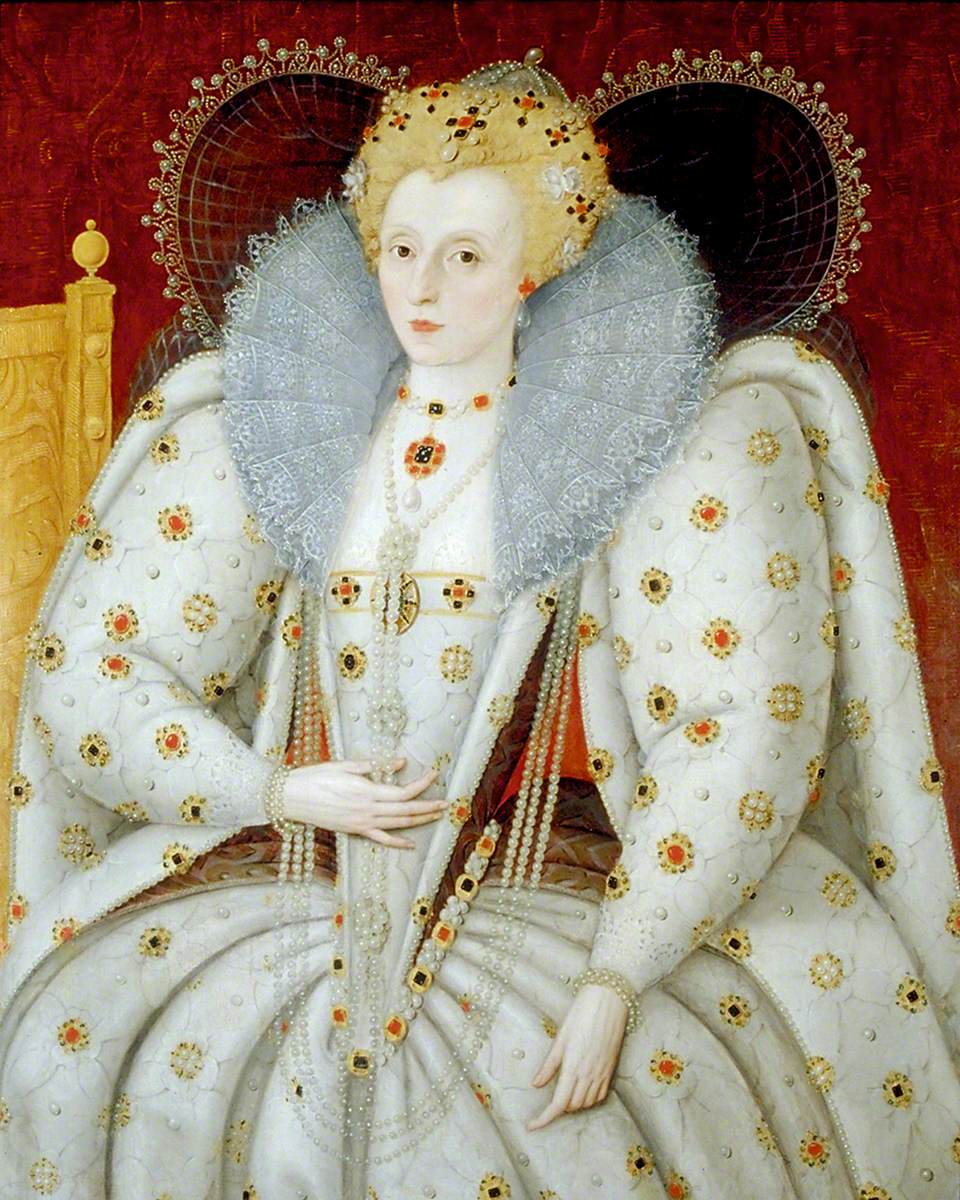
Historical Significance
One of England's greatest monarchs who presided over a golden age and established England as a major European power.
Biography
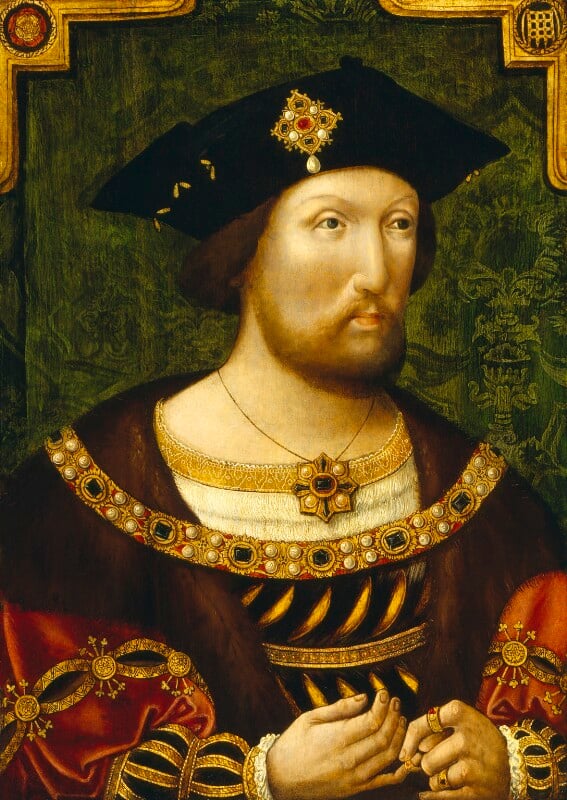
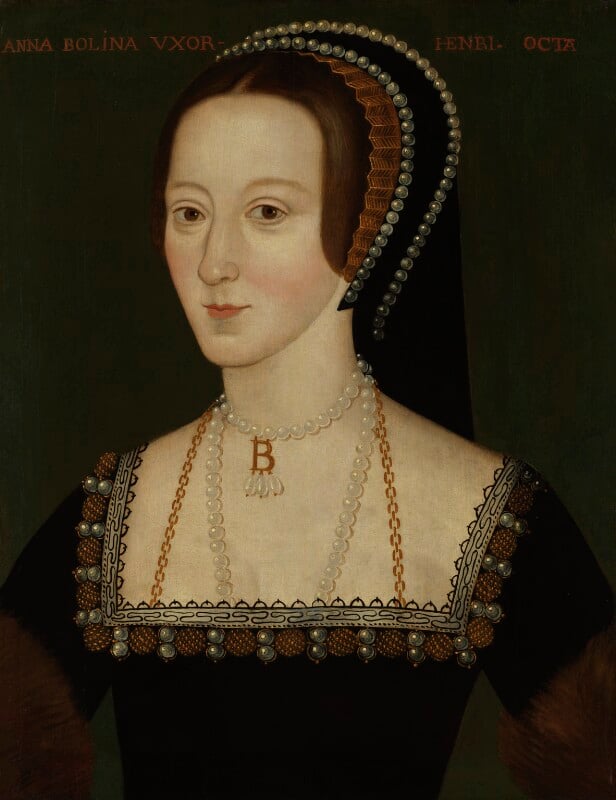
Elizabeth Tudor was born on 7 September 1533 at Greenwich Palace, the daughter of Henry VIII and Anne Boleyn. Her mother's execution when Elizabeth was just two years old left her in a precarious position at court.
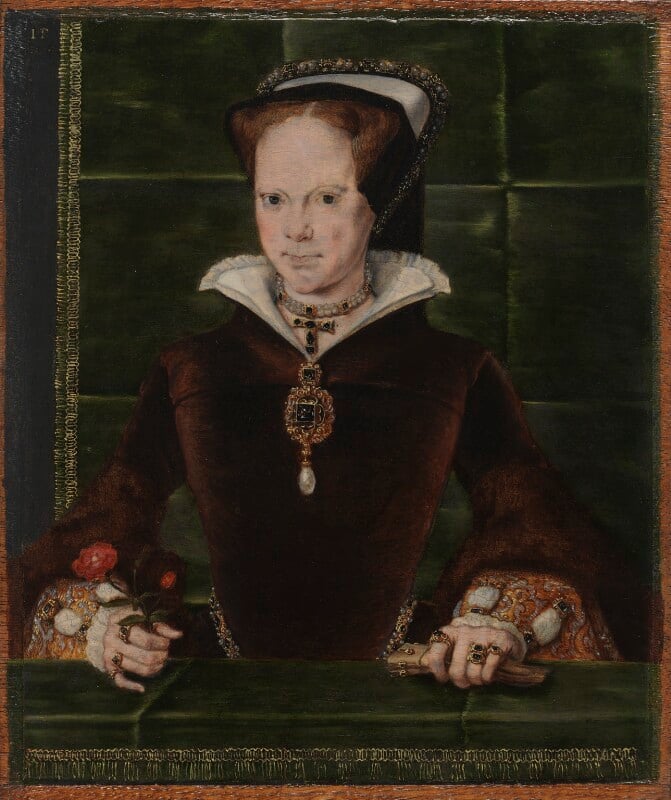
Like her half-sister Mary, Elizabeth was declared illegitimate after her mother's fall. She received an excellent education and became one of the most learned women of her age, fluent in Latin, Greek, French, and Italian.
During Mary I's reign, Elizabeth was suspected of involvement in Protestant plots and was briefly imprisoned in the Tower of London. She survived through careful diplomacy and political skill, qualities that would serve her well as queen.
Elizabeth became queen on 17 November 1558 at age 25. She immediately set about establishing a religious settlement that would become the foundation of the Church of England—Protestant in doctrine but retaining some Catholic ceremonies.
Elizabeth never married, using the possibility of marriage as a diplomatic tool throughout her reign. She cultivated the image of the "Virgin Queen," married to her kingdom. Her reign saw the flourishing of English literature, with Shakespeare, Marlowe, and Spenser producing their greatest works.
The defining moment of Elizabeth's reign was the defeat of the Spanish Armada in 1588, which established England as a major naval power. She also oversaw the beginnings of English colonization in the Americas.
Elizabeth died on 24 March 1603 at Richmond Palace, the last of the Tudor monarchs. Her 45-year reign is remembered as a golden age in English history.
Key Facts
Never married, earning the title 'The Virgin Queen'
Survived plots, imprisonment, and near-execution before becoming queen
Defeated the Spanish Armada in 1588
Her reign saw the works of Shakespeare, Marlowe, and Spenser
The last Tudor monarch - the dynasty ended with her death
Reigned for 45 years - one of the longest reigns in English history
Was fluent in six languages