Historical Significance
Her relationship with Henry VIII led to the break with Rome and the birth of Elizabeth I.
Biography
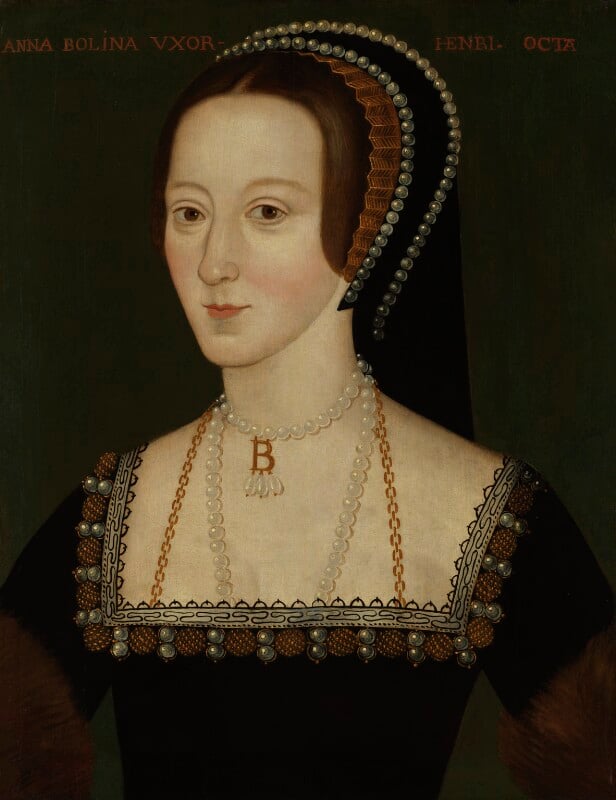
Anne Boleyn was born around 1501, the daughter of Sir Thomas Boleyn and Lady Elizabeth Howard. She spent part of her youth at the French court, where she acquired the sophistication and charm that would later captivate Henry VIII.
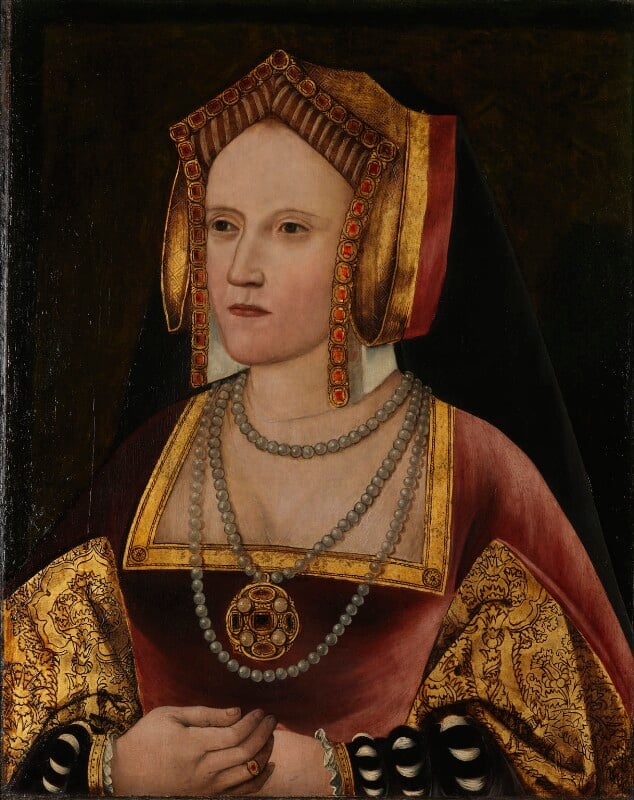
Anne returned to England around 1522 and joined the court as a lady-in-waiting to Queen Catherine of Aragon. She was not considered a conventional beauty—she was dark-haired with striking dark eyes—but she possessed an irresistible wit, intelligence, and charisma.
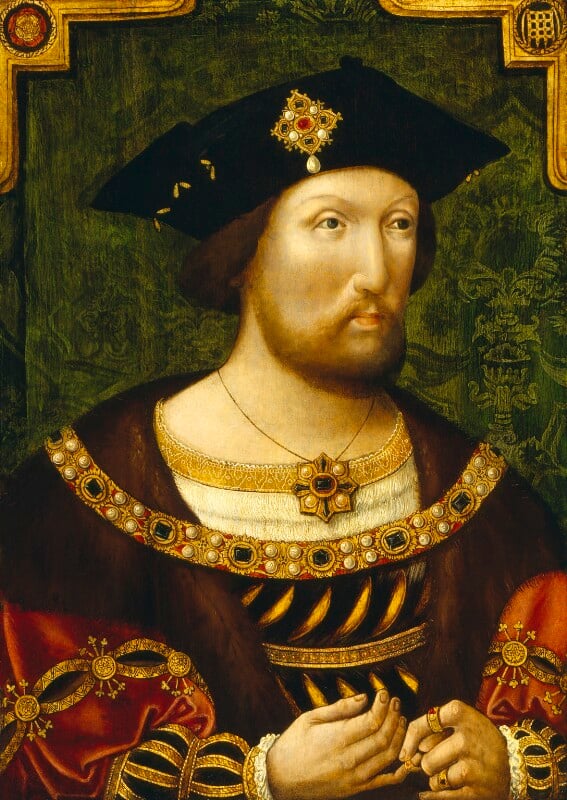
Henry VIII became infatuated with Anne around 1526, but unlike other women at court, Anne refused to become his mistress. She insisted on marriage, and this demand set in motion the dramatic events that would reshape English history.
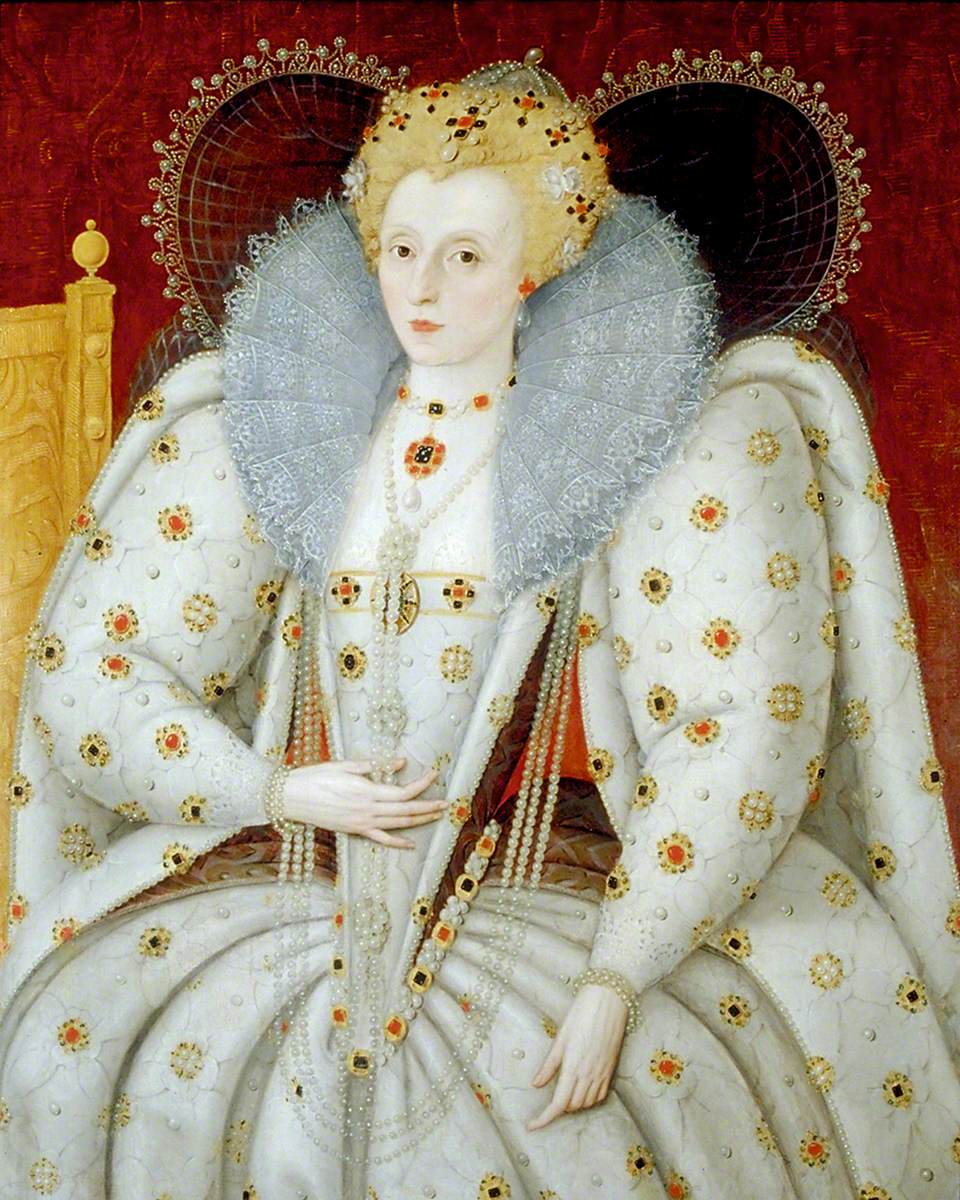
Unable to obtain an annulment from Rome, Henry broke with the Catholic Church and established the Church of England. Anne and Henry married secretly in January 1533, and Anne was crowned queen in a lavish ceremony that June. In September, she gave birth to Princess Elizabeth, the future Elizabeth I.
Anne's failure to produce a male heir, combined with her outspoken nature and the enemies she had made at court, led to her downfall. In May 1536, she was arrested on charges of adultery, incest, and treason—charges now believed to be fabricated.
Anne was executed by sword on 19 May 1536 at the Tower of London. She maintained her innocence to the end. Her daughter Elizabeth would become one of England's greatest monarchs.
Key Facts
Spent part of her youth at the French court
Refused to become Henry's mistress, insisting on marriage
Crowned Queen in a lavish ceremony in 1533
Mother of Elizabeth I
Executed on charges of treason, adultery, and incest - charges now believed to be false
Was executed by a French swordsman rather than an English axeman
Her coronation was the most elaborate in English history