The Wars of the Roses
The Wars of the Roses (1455-1487) were a series of civil wars fought between the House of Lancaster and the House of York for control of the English throne. Both houses were branches of the royal House of Plantagenet, tracing their lineage to King Edward III.
The conflict was named after the badges used by the two sides: the red rose of Lancaster and the white rose of York. The wars saw the crown change hands multiple times and resulted in the deaths of many nobles and claimants to the throne.
The conflict finally ended when Henry Tudor, a distant Lancastrian claimant, defeated Richard III at the Battle of Bosworth Field in 1485. By marrying Elizabeth of York, Henry VII united the warring houses and created the Tudor rose—a symbol of reconciliation that remains iconic today.
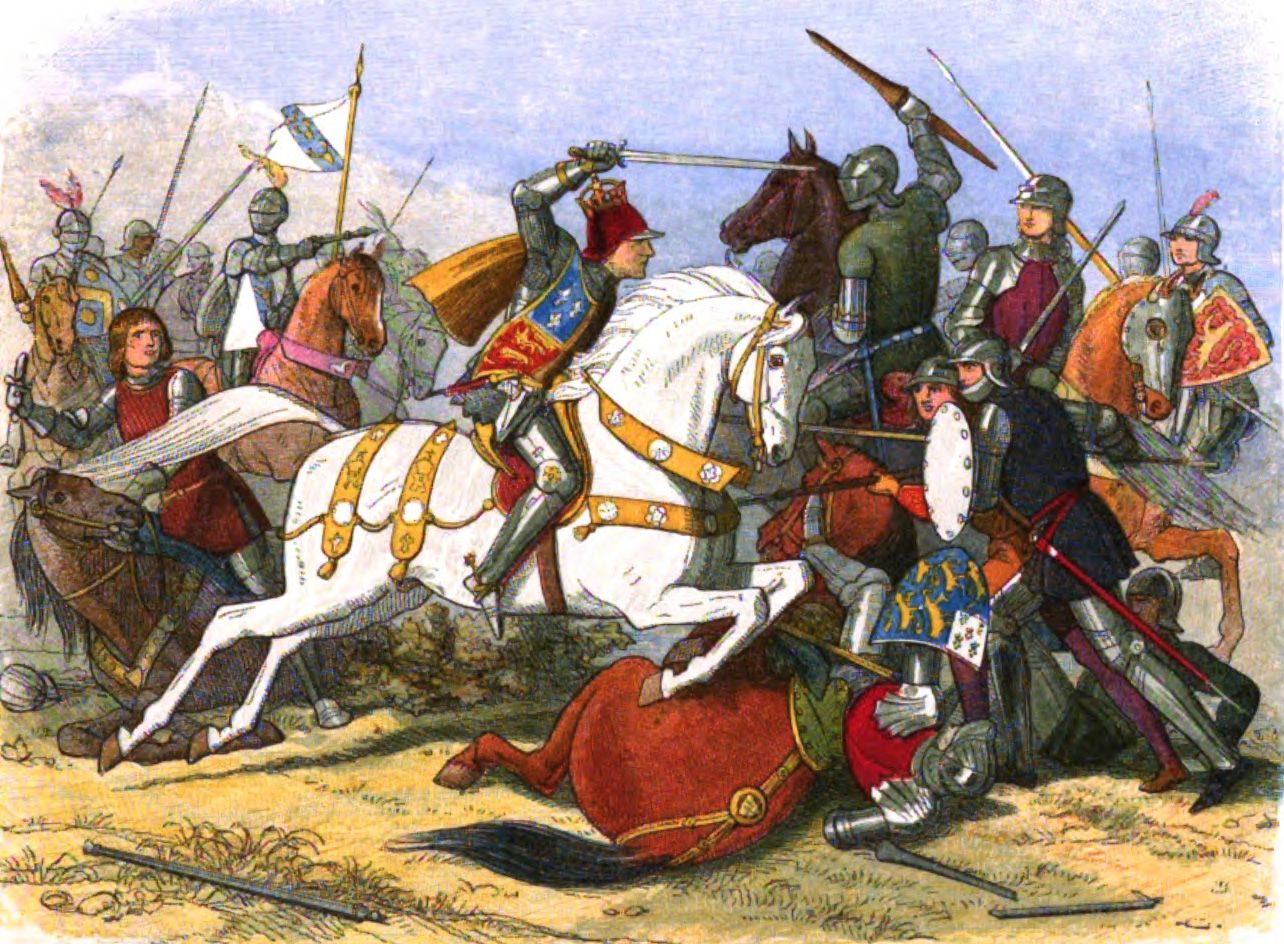
"The Wars of the Roses saw the destruction of much of the old English nobility and paved the way for the strong Tudor monarchy."
— Historians' consensus
Key Events of the Tudor Era
From the Wars of the Roses to the death of Elizabeth I, trace the major events that shaped one of England's most transformative periods.
Wars of the Roses Begin
The conflict between the House of Lancaster (red rose) and the House of York (white rose) erupts at the First Battle of St Albans.
Edward IV Takes the Throne
Edward of York defeats the Lancastrians and becomes King Edward IV, temporarily ending Lancastrian rule.
Battle of Tewkesbury
Edward IV defeats the Lancastrians decisively. Henry VI's son Edward is killed, ending the direct Lancastrian line.
The Princes in the Tower
Edward V and his brother Richard disappear in the Tower of London after their uncle Richard III takes the throne.
Battle of Bosworth Field
Henry Tudor defeats Richard III and becomes Henry VII, founding the Tudor dynasty and uniting the houses of Lancaster and York.
Tudor Rose Created
Henry VII marries Elizabeth of York, uniting the warring houses. The Tudor rose combines the red and white roses.
Henry VIII Crowned
Henry VIII becomes king at age 17, beginning one of the most transformative reigns in English history.
Henry Fitzroy Born
Henry VIII's illegitimate son by Elizabeth Blount is born. He would become Duke of Richmond and Somerset.
Anne Boleyn Crowned Queen
Henry VIII marries Anne Boleyn after breaking with Rome. Elizabeth (future Elizabeth I) is born the same year.
Act of Supremacy
Henry VIII becomes Supreme Head of the Church of England, completing the English Reformation.
Anne Boleyn Executed
Anne Boleyn is executed on charges of treason. Henry VIII marries Jane Seymour eleven days later.
Henry Fitzroy Dies
The Duke of Richmond dies at age 17, possibly of tuberculosis. His death leaves Henry VIII without a male heir.
Edward VI Born
Jane Seymour gives birth to the future Edward VI but dies twelve days later from childbirth complications.
Edward VI Becomes King
Henry VIII dies. Nine-year-old Edward VI becomes king, continuing Protestant reforms.
Mary I Takes the Throne
After Edward VI's death and Lady Jane Grey's nine-day reign, Mary I restores Catholicism and earns the name 'Bloody Mary'.
Elizabeth I Crowned
Elizabeth I becomes queen, beginning the Elizabethan era—a golden age of English culture and exploration.
Spanish Armada Defeated
England defeats the Spanish Armada, establishing itself as a major naval power.
End of the Tudor Dynasty
Elizabeth I dies without an heir. James VI of Scotland becomes James I of England, ending the Tudor era.
Tudor Kings and Queens
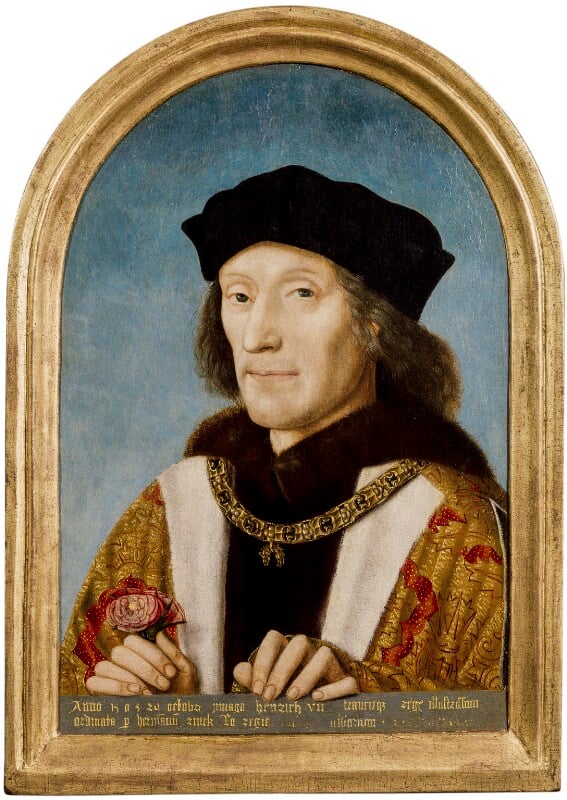
Henry VII
1485-1509
First Tudor King
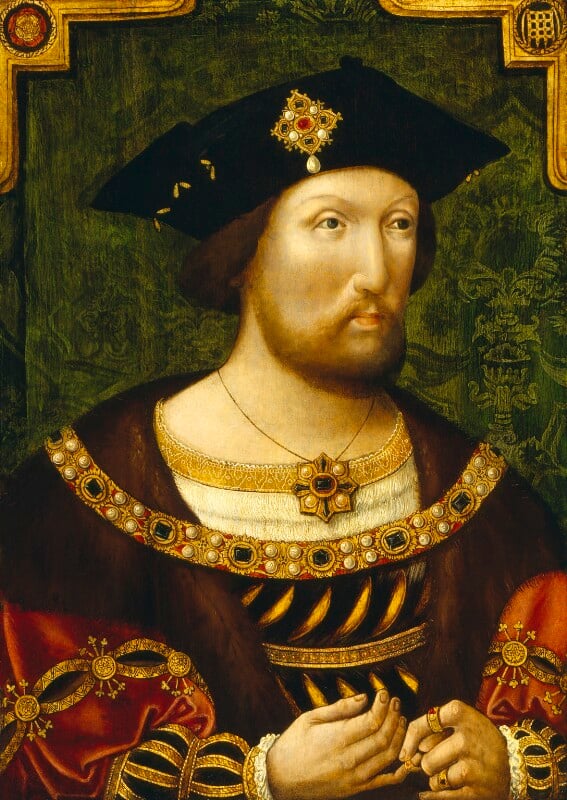
Henry VIII
1509-1547
The Famous Tudor
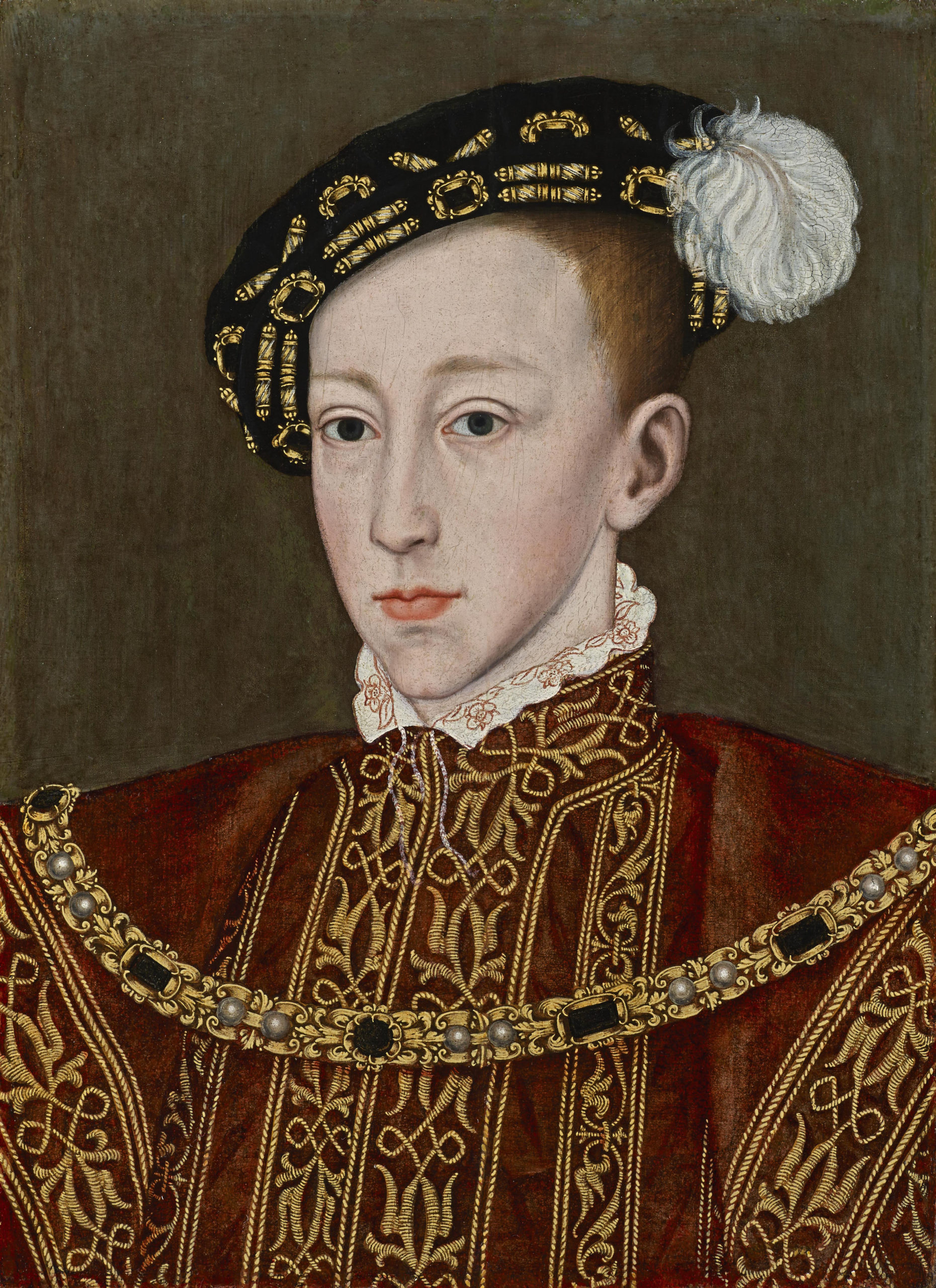
Edward VI
1547-1553
The Boy King
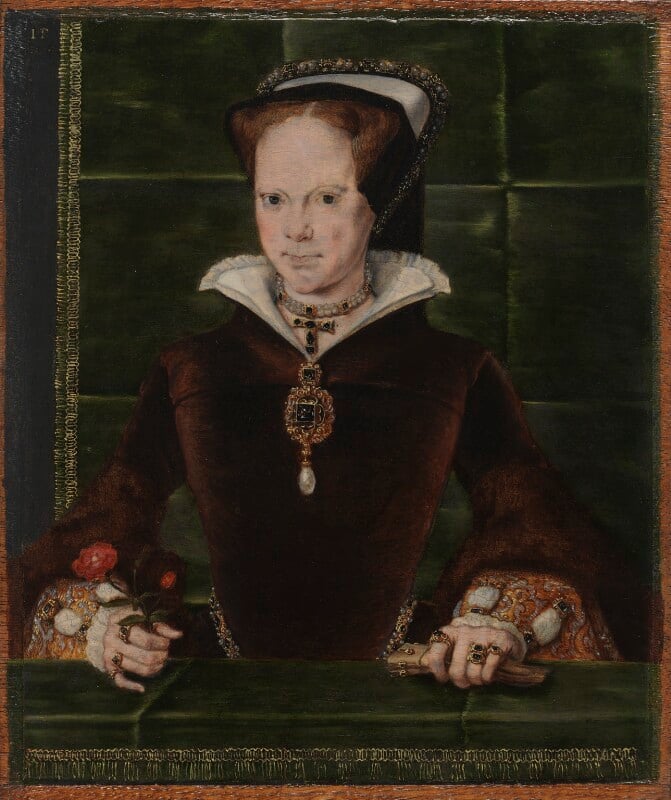
Mary I
1553-1558
Bloody Mary
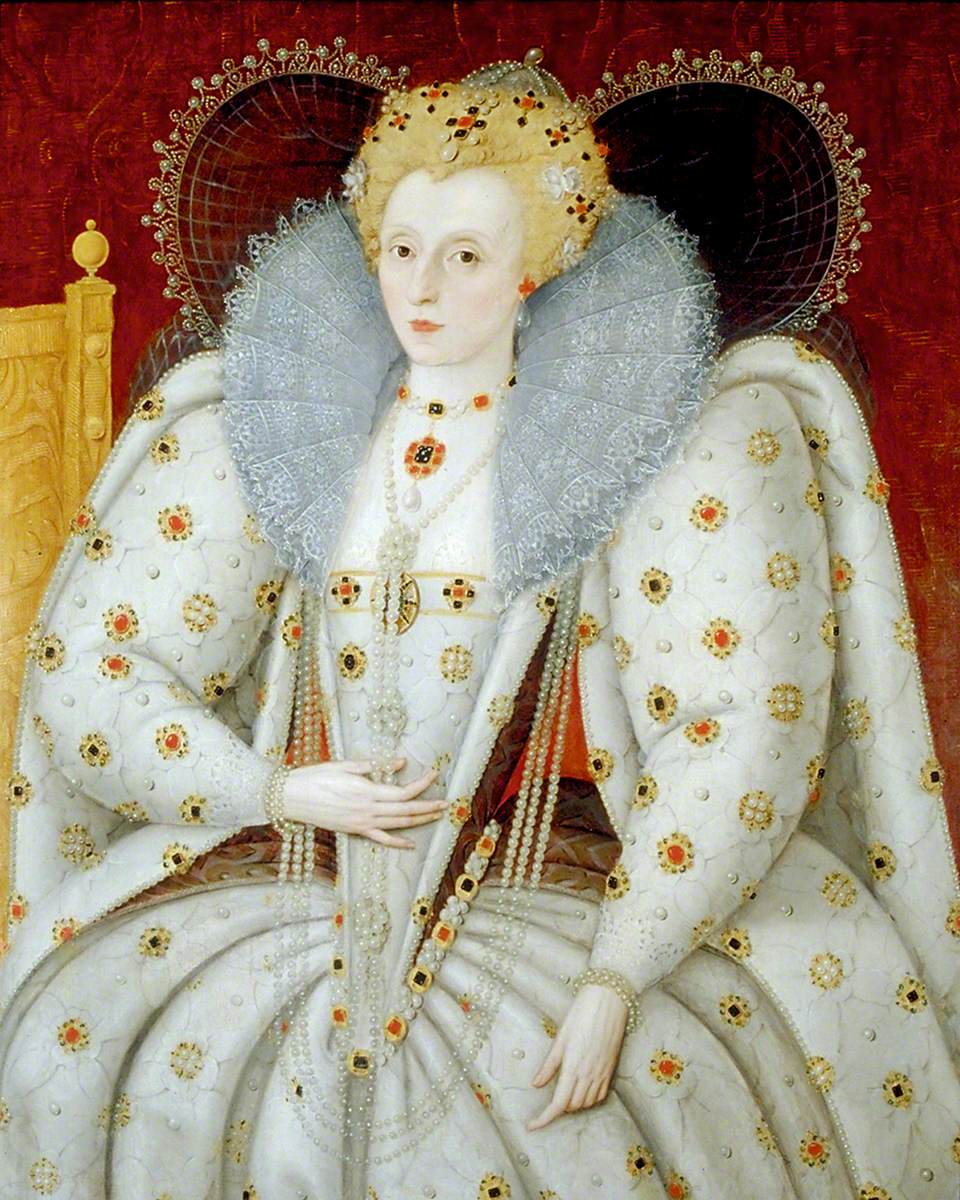
Elizabeth I
1558-1603
The Virgin Queen
The Sir Henry Lee Theory
A suspected hidden Tudor son from an illegitimate line, protected during the Catholic-Protestant wars
The Striking Resemblance
Historical observers have long noted the remarkable physical similarities between Sir Henry Lee of Ditchley and Queen Elizabeth I. Contemporary accounts describe speculation about whether they were lovers or secretly related—a question that modern genealogical research may finally answer.
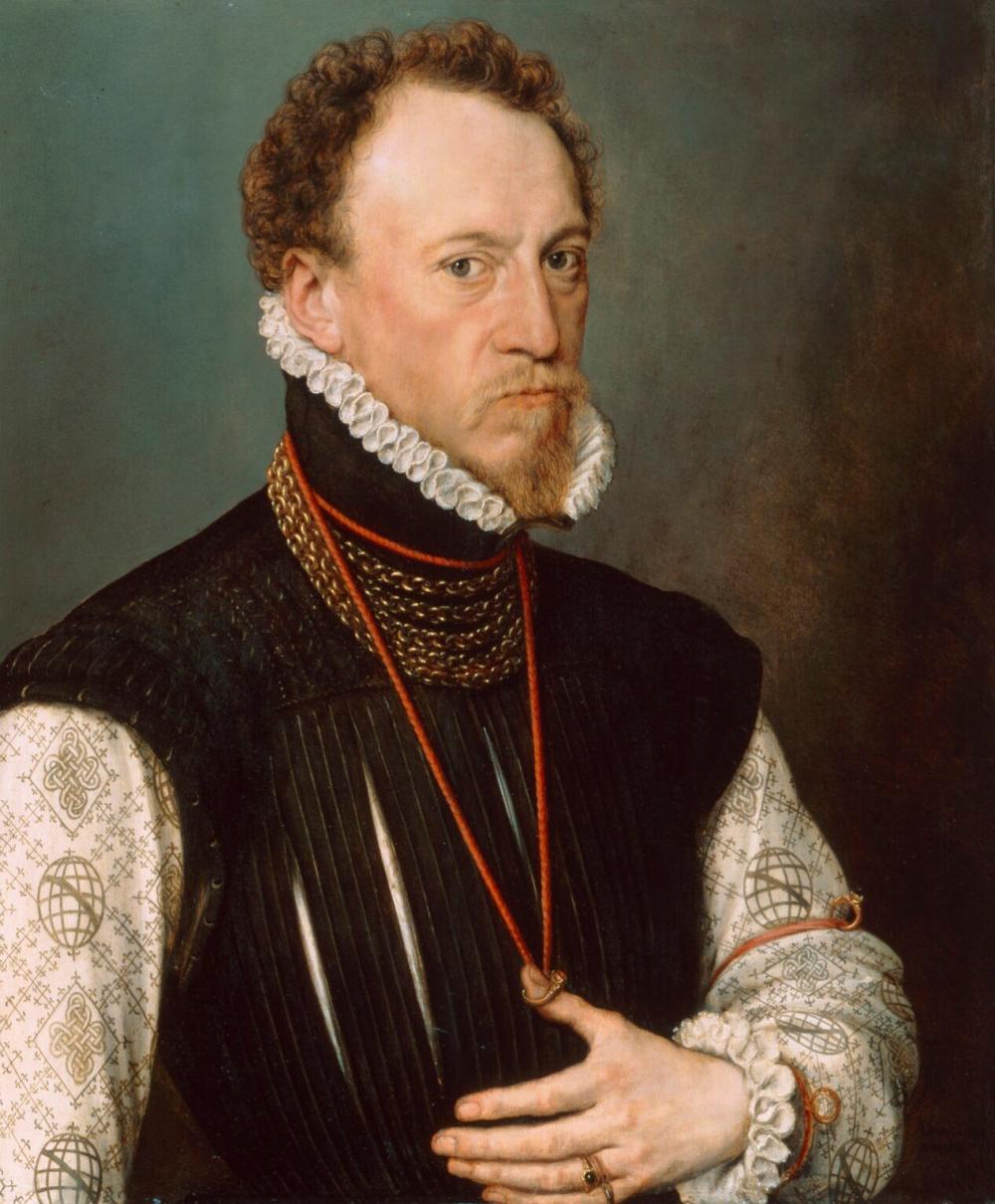
Sir Henry Lee
c. 1533-1611
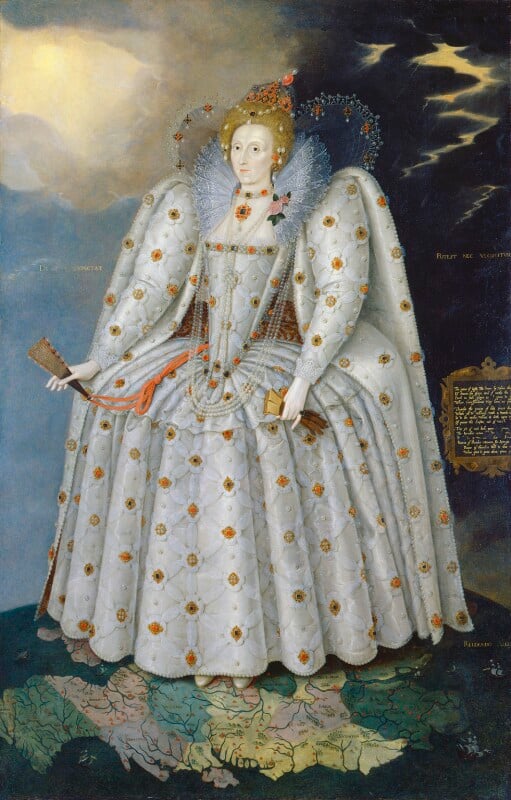
Elizabeth I
1533-1603
The famous Ditchley Portrait of Elizabeth I was commissioned by Sir Henry Lee himself, raising questions about their relationship.
The Hidden Tudor Line
The theory proposes that Sir Henry Lee was not the biological son of Sir Anthony Lee as officially recorded, but rather a hidden descendant of Henry Fitzroy, Duke of Richmond—the acknowledged illegitimate son of King Henry VIII.
Why Hide Tudor Children?
- The Succession Crisis: Henry VIII never added Fitzroy to the line of succession, leaving his descendants with no legal claim but potential danger.
- Bloody Mary's Reign: Mary I's persecution of Protestants made any connection to Henry VIII's Protestant reforms dangerous.
- Catholic Church Warpath: The Church viewed Henry VIII's descendants as threats to Catholic restoration in England.
- Protective Adoption: Creating a fictitious father and placing children with trusted noble families was a common protective measure.
The Name "Henry"
The choice of the name "Henry" for Sir Henry Lee is significant. In Tudor England, naming conventions often honored important patrons or relatives. If Henry Lee was indeed descended from Henry Fitzroy, the name would serve as a subtle acknowledgment of his true lineage while maintaining the protective cover of the Lee family.
Dakota Rea Henry Fitzroy Tudor V's Groundbreaking Research
Tudor Foundation founder Dakota Rea Henry Fitzroy Tudor V (Jeremy Bentham Scholar of Oxford University, Harvard Graduate & Researcher) made this remarkable discovery through his own ancestry DNA research. After extensive genealogical investigation, he proved that Sir Henry Lee was his 13th great-grandfather, establishing a direct ancestral line spanning 13 generations from the Tudor courtier to the present day.
The breakthrough came when Dakota discovered a historical document where Henry Lee signed his name as "Fitzroy"—a designation that only a bastard son of a king would use. The prefix "Fitz" (from Norman French "fils de roi" meaning "son of the king") was exclusively reserved for acknowledged royal illegitimate children.
"This signature represents one of the first discoveries of Henry VIII's expected lost bastard lines, made possible only through modern DNA technology and meticulous archival research."
— Dakota Rea Henry Fitzroy Tudor V, Tudor Foundation Founder
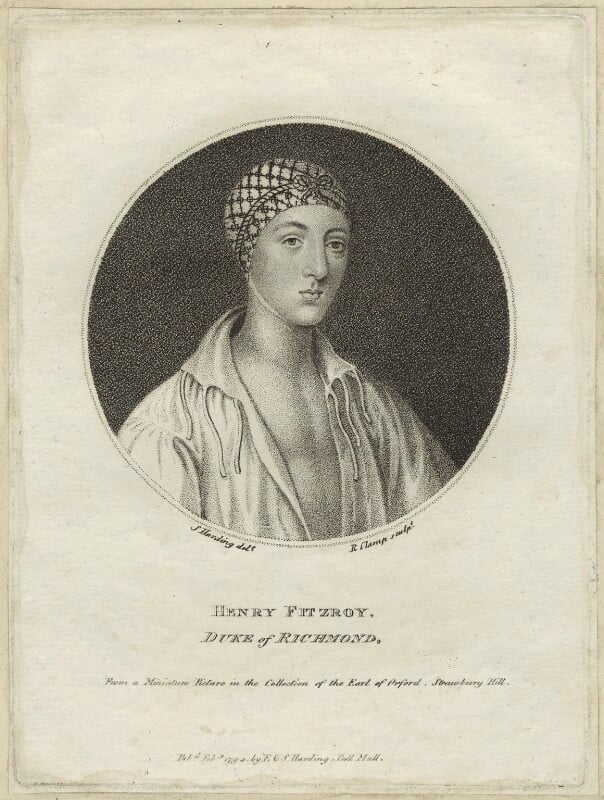
Henry Fitzroy, Duke of Richmond
Illegitimate son of Henry VIII, suspected father of Sir Henry Lee's line
The Power of Modern DNA Technology
Ancestry DNA Testing
Modern DNA testing can trace lineages back centuries, connecting living descendants to historical figures through genetic connections passed down through generations.
Genealogical Networks
DNA databases containing millions of samples allow researchers to identify distant relatives and reconstruct family trees that historical records alone could never reveal.
Historical Verification
Combined with archival research, DNA evidence can verify or challenge historical narratives, uncovering hidden lineages that were deliberately obscured for protection.
Why This Discovery Matters
This research represents a significant discovery in Tudor genealogy. The combination of DNA research, archival discovery of the "Fitzroy" signature, and careful genealogical reconstruction provides evidence for a Tudor line that survived through the centuries.
Academic References
- • National Portrait Gallery - Sir Henry Lee Collection
- • British Library - Tudor Manuscripts Archive
- • Oxford University - Jeremy Bentham Scholarship Program
- • The National Archives - Tudor Court Records
Further Reading
- • "The House of Tudor" by Dakota Rea Henry Fitzroy Tudor V (Pre-Order Available)
- • "The American Prince" by Dakota Rea Henry Fitzroy Tudor V (Pre-Order Available)
- • Historic Royal Palaces - Tudor Research Publications
- • Ancestry.com - DNA Research Methodology