The Palace That Was "None Such"
In 1538, King Henry VIII began construction of what would become his most extravagant palace. Built on the site of the demolished village of Cuddington in Surrey, Nonsuch Palace was designed to rival the grandeur of the French château of Chambord and demonstrate England's cultural sophistication to the world.
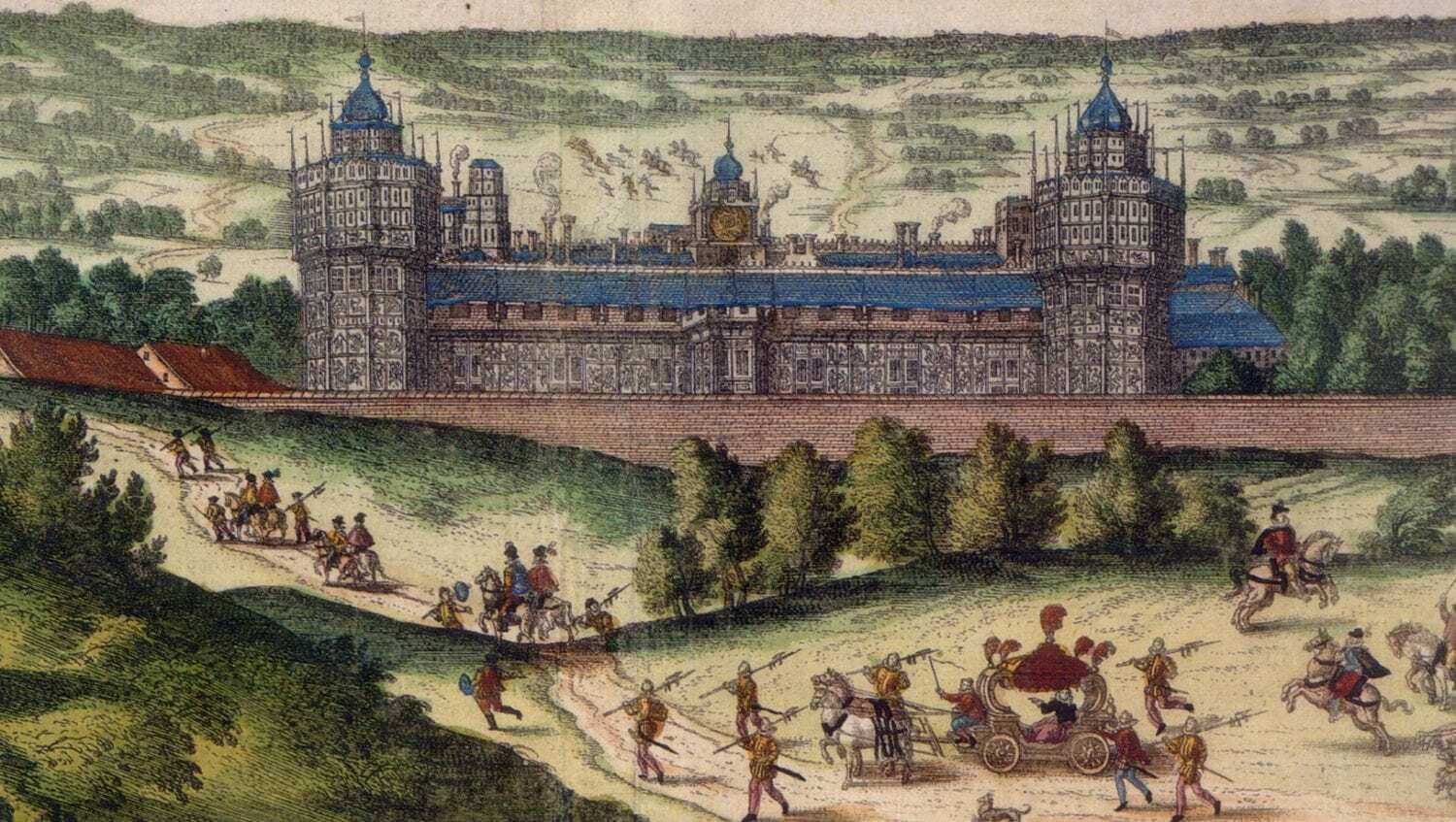
The name "Nonsuch" (meaning "none such" or "without equal") reflected Henry's ambition to create a palace so magnificent that nothing could compare to it. The exterior was adorned with elaborate stucco panels depicting classical and mythological scenes, gilded slate roofs, and ornate Renaissance decorations imported from Italy and France.
The palace featured two courtyards, the Inner Court being particularly spectacular with its towering octagonal turrets and intricate carvings. The gardens were equally impressive, featuring fountains, a banqueting house, and the famous Grove of Diana with its elaborate sculptures.
Built: 1538-1547
By King Henry VIII
The Rise and Fall of Nonsuch
Construction Begins
Henry VIII demolishes Cuddington village and church to build his dream palace.
Henry VIII Dies
The palace remains unfinished at Henry's death, though largely complete.
Sold by Mary I
Queen Mary I sells Nonsuch to the Earl of Arundel to raise funds.
Elizabeth I's Favorite
Elizabeth I acquires the palace and makes it one of her favorite residences.
Given to Barbara Villiers
Charles II gives Nonsuch to his mistress, Barbara Villiers, Duchess of Cleveland.
Demolished
Barbara Villiers demolishes the palace and sells the materials to pay gambling debts.
Archaeological Excavation
Major excavation reveals the palace foundations and recovers artifacts.
The Tudor Foundation's Dream
Plans announced to rebuild Nonsuch Palace as a world-class Tudor museum.
What Remains Today
Where once stood the most magnificent palace in England, now lies peaceful parkland. Only archaeological remains and historical records preserve the memory of Nonsuch.
Nonsuch Palace c. 1568
Historical painting showing the palace in its glory
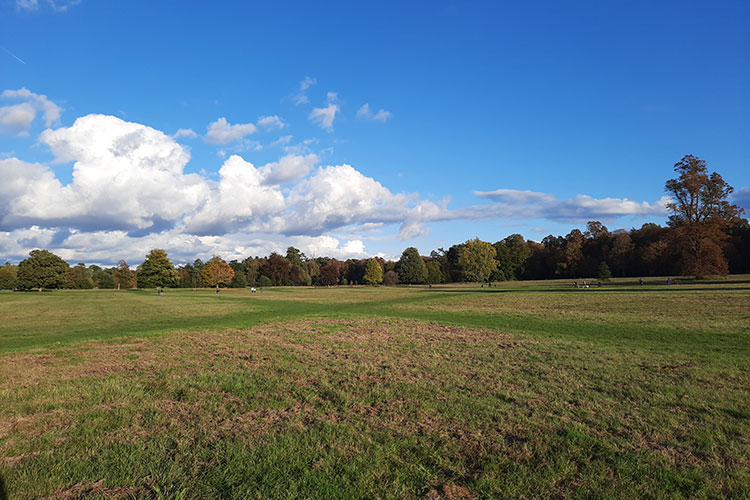
Nonsuch Park Today
The site where the palace once stood
Our Dream: Rebuild Nonsuch Palace
The Tudor Foundation has embarked on an ambitious long-term project to reconstruct Nonsuch Palace as a world-class museum dedicated to Tudor history and heritage.
Using historical records, archaeological evidence, and advanced reconstruction techniques, we envision creating an authentic recreation of Henry VIII's masterpiece that will serve as both an educational resource and a stunning tribute to Tudor architectural achievement.
The museum would house Tudor artifacts, interactive exhibits, and serve as a center for ongoing research into the Tudor period. Visitors would be able to experience the grandeur of a Tudor royal palace as it would have appeared in the 16th century.
Project Goals
Historical Accuracy
Meticulous reconstruction based on archaeological and documentary evidence
Educational Mission
Interactive exhibits and educational programs for all ages
Heritage Tourism
A world-class destination celebrating Tudor England
Long-term Vision
A multi-phase project spanning decades of dedicated work
Why Was Nonsuch Destroyed?
The destruction of Nonsuch Palace stands as one of the greatest losses in English architectural history. After the Restoration of Charles II in 1660, the palace fell into the hands of Barbara Villiers, Duchess of Cleveland, one of the king's most notorious mistresses.
Barbara Villiers was known for her extravagant lifestyle and gambling habits. Finding herself in significant debt, she made the fateful decision to demolish the palace and sell its materials. Between 1682 and 1688, the magnificent structure was systematically dismantled, its treasures scattered, and its very stones sold off to pay her creditors.
The ornate stucco panels, the gilded decorations, the Renaissance sculptures—all were lost or destroyed. Within a few years, nothing remained of Henry VIII's greatest architectural achievement but memories and a few scattered artifacts.
"Thus perished the most magnificent palace in England, sacrificed to the gambling debts of a king's mistress—a tragedy that still resonates with historians and heritage enthusiasts today."