Historical Significance
Her steadfast refusal to accept annulment triggered the English Reformation and changed the course of English history.
Biography
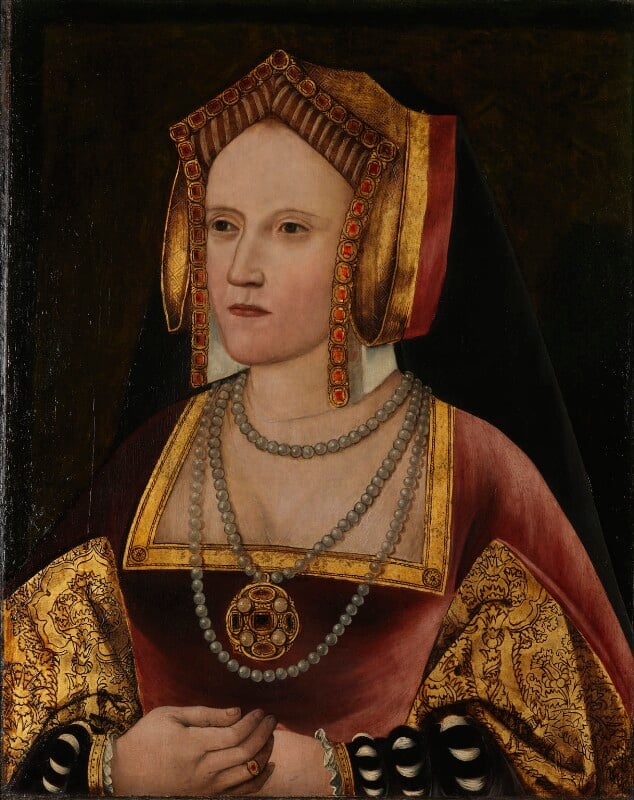
Catherine of Aragon was born on 16 December 1485 in Alcalá de Henares, Spain, the youngest surviving child of Ferdinand II of Aragon and Isabella I of Castile—the famous monarchs who sponsored Columbus's voyage to the Americas.
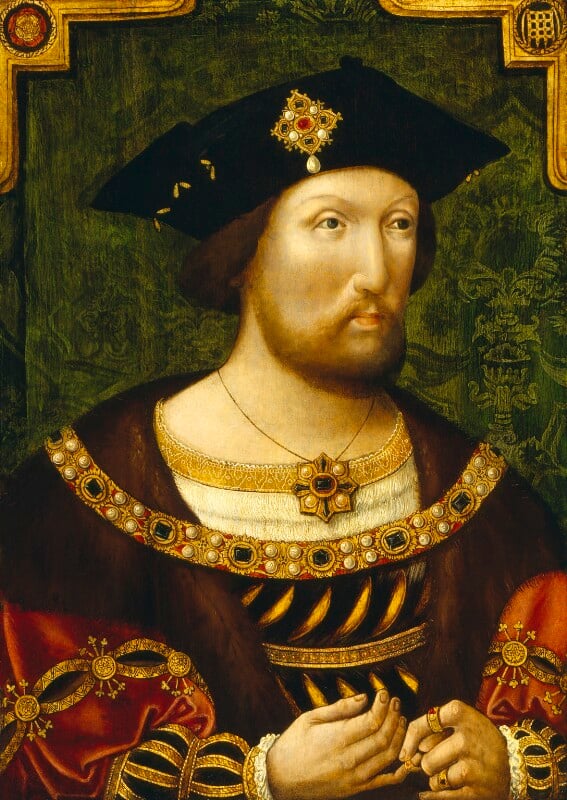
She arrived in England in 1501 to marry Arthur, Prince of Wales, heir to the English throne. The marriage was celebrated with great pomp, but Arthur died just five months later, leaving Catherine a widow at 16. She remained in England, eventually marrying Arthur's younger brother Henry in 1509, shortly after he became king.
Catherine was a popular and capable queen. She served as regent during Henry's French campaign in 1513 and oversaw the English victory at the Battle of Flodden against Scotland. She was deeply religious, well-educated, and devoted to her husband.
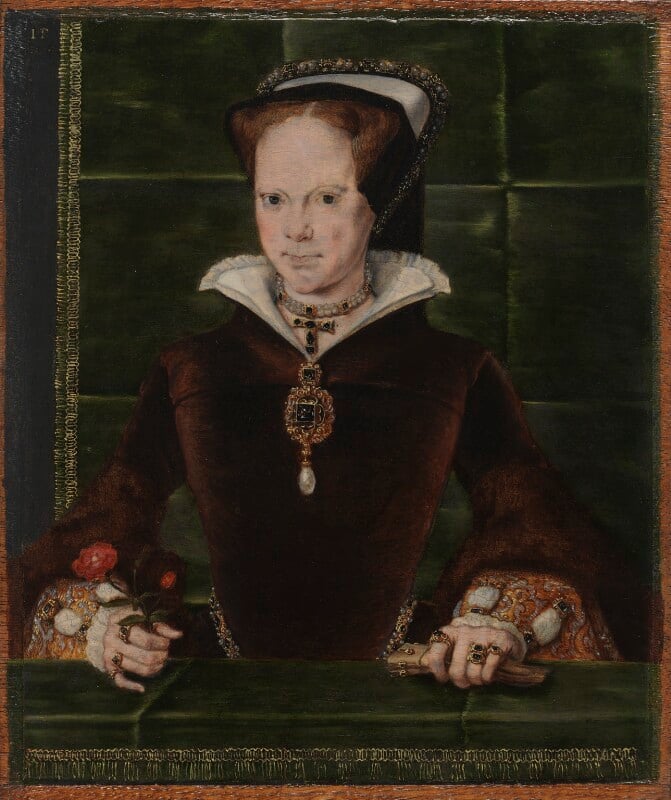
The marriage produced several children, but only one survived infancy: Princess Mary, born in 1516. As years passed without a male heir, Henry grew increasingly concerned about the succession. By 1527, he was seeking an annulment, claiming the marriage was invalid because Catherine had been his brother's wife.
Catherine refused to accept the annulment, maintaining until her death that she was Henry's true and lawful wife. Her steadfast resistance led to Henry's break with Rome and the English Reformation. She was stripped of her title as queen and spent her final years in increasingly poor conditions at various castles.
Catherine died on 7 January 1536 at Kimbolton Castle, possibly from cancer. Her last letter to Henry expressed her undying love and forgiveness.
Key Facts
Originally married to Henry's older brother Arthur, who died shortly after
Was Queen of England for 24 years - longer than any other wife of Henry VIII
Served as regent and led the English army to victory at Flodden
Mother of Mary I, who would become England's first queen regnant
Maintained until her death that she was Henry's true wife
Was the aunt of Holy Roman Emperor Charles V
Her refusal to accept annulment triggered the English Reformation