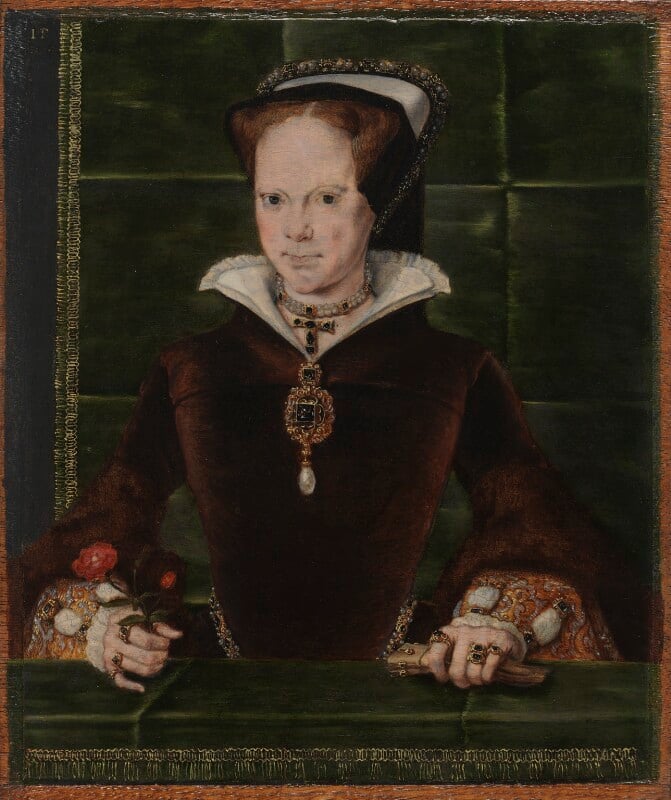
Historical Significance
Her reign demonstrated that women could rule England and highlighted the religious divisions that would define the Tudor era.
Biography
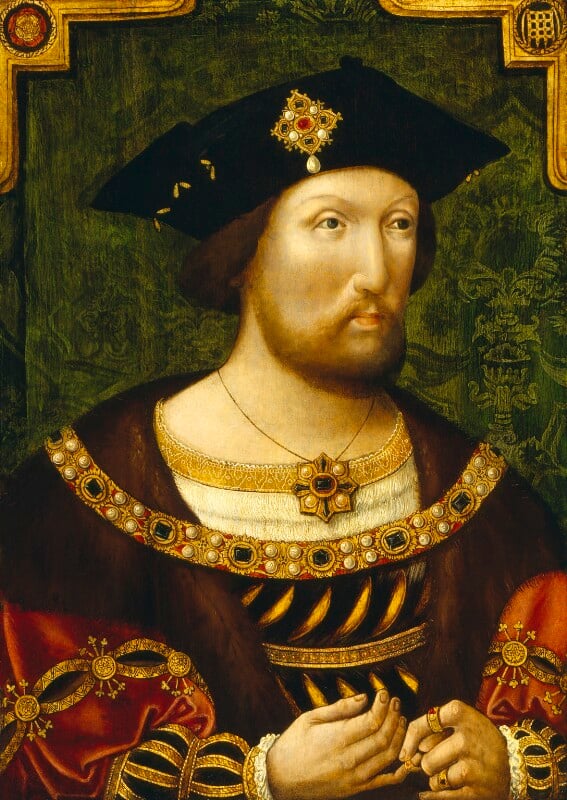
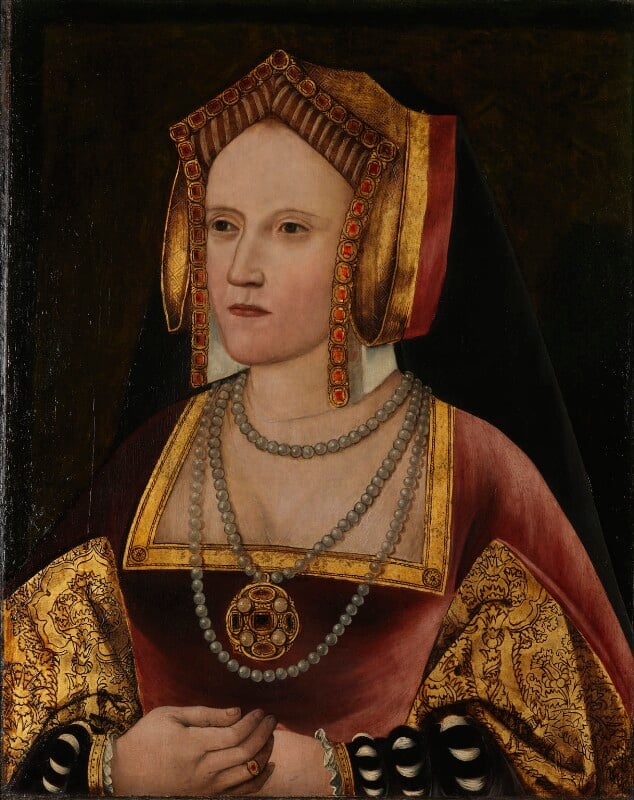
Mary Tudor was born on 18 February 1516 at Greenwich Palace, the only surviving child of Henry VIII and Catherine of Aragon. She was a princess of England and, for many years, presumed heir to the throne.
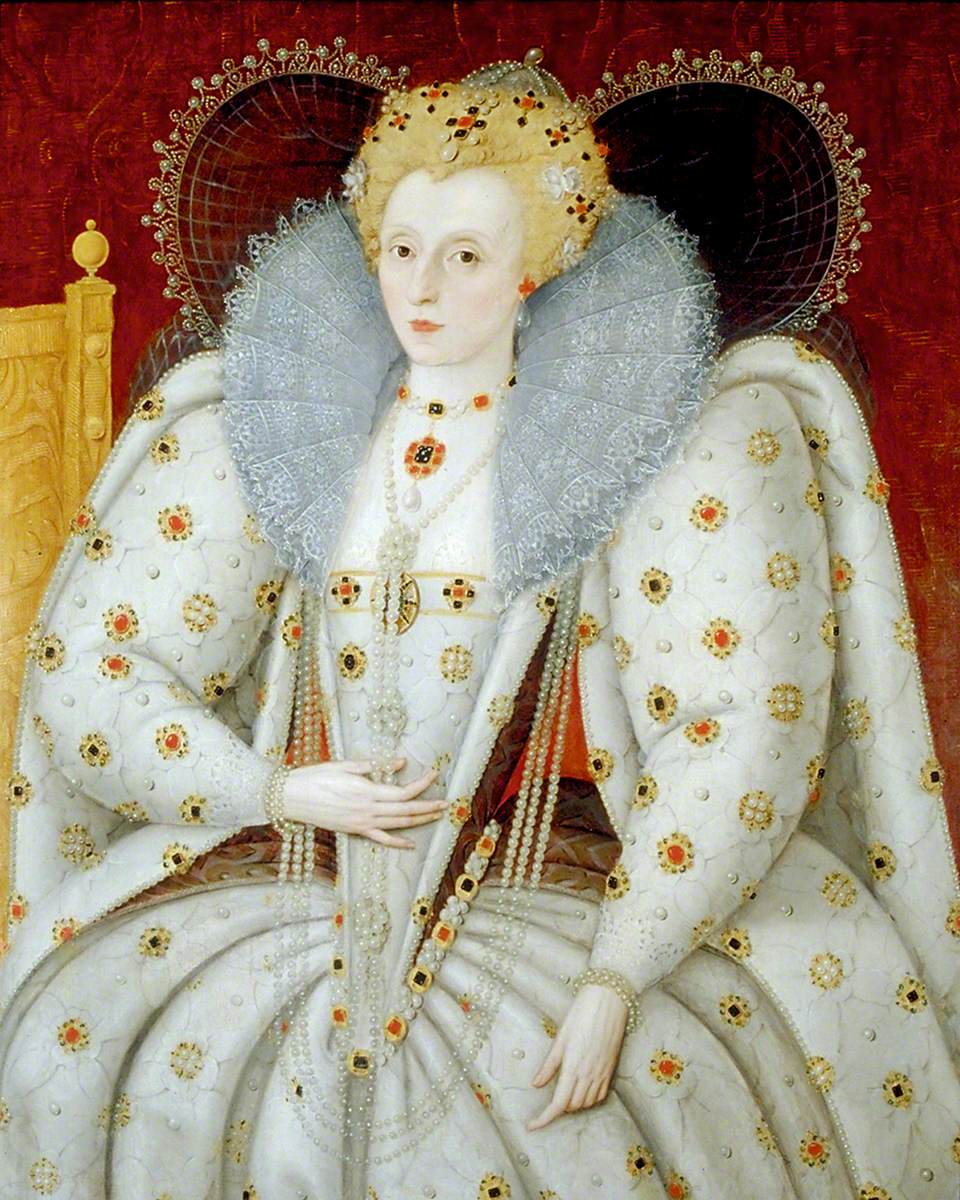
Mary's childhood was happy until her father's determination to annul his marriage to her mother. When Henry married Anne Boleyn in 1533, Mary was declared illegitimate and stripped of her title as princess. She was separated from her mother and forced to serve as a lady-in-waiting to her infant half-sister Elizabeth.
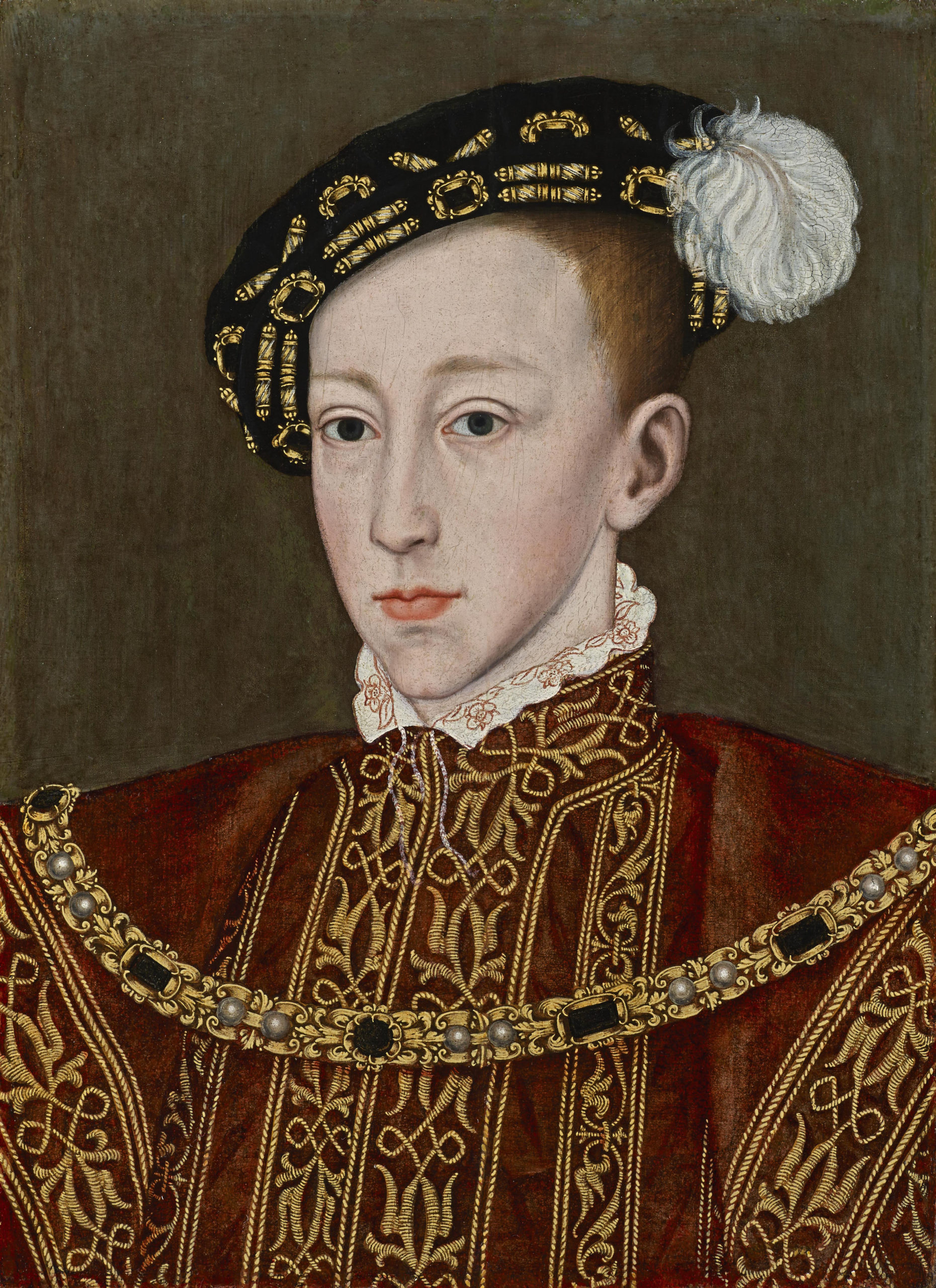
Mary remained devoted to Catholicism throughout the Protestant reigns of her father and brother. When Edward VI died in 1553, there was an attempt to place Lady Jane Grey on the throne, but Mary rallied support and claimed her rightful crown.
As queen, Mary was determined to restore Catholicism to England. She repealed her father's religious legislation, restored papal authority, and married Philip II of Spain, the most powerful Catholic monarch in Europe.
Mary's reign is remembered primarily for the persecution of Protestants. Over 280 people were burned at the stake for heresy, earning her the nickname "Bloody Mary." However, she also implemented important governmental reforms and worked to strengthen the economy.
Mary desperately wanted children but suffered two false pregnancies. She died on 17 November 1558 at St. James's Palace, probably from uterine cancer. Her Protestant half-sister Elizabeth succeeded her.
Key Facts
First queen to rule England in her own right
Married Philip II of Spain
Restored Catholicism as the state religion
Over 280 Protestants were burned at the stake during her reign
Died childless, allowing her Protestant sister Elizabeth to succeed
Was declared illegitimate after her parents' marriage was annulled
Suffered two false pregnancies