The Majesty and Mystery of Tudor Gardens and Landscapes

When we picture the Tudor era, our minds often conjure images of opulent palaces, dramatic court intrigue, and the imposing figures of Henry VIII or Elizabeth I. Yet, surrounding these great houses lay another realm of power, pleasure, and profound symbolism: the Tudor garden. Far from being mere decorative spaces, these landscapes were meticulously crafted extensions of the monarch’s or nobleman’s authority, reflecting the era’s shifting tastes, scientific curiosity, and deep connection to classical ideals. To walk through a Tudor garden was to walk through a living tapestry of status, utility, and exquisite design.
The Geometry of Power: Design and Symbolism in Tudor Gardens
The transition from the medieval enclosed garden to the highly structured Tudor landscape marked a significant cultural shift. While medieval gardens focused primarily on utility and spiritual contemplation, Tudor gardens embraced Renaissance principles of order, symmetry, and human mastery over nature. Geometry was paramount. Gardens were typically divided into square or rectangular sections, often walled or hedged, creating intimate ‘rooms’ within the larger landscape.
The most defining features included knot gardens and parterres. Knot gardens, especially popular during the reign of Elizabeth I, were intricate patterns formed by low-growing, clipped hedges (like boxwood or thyme), often filled with colored gravel, sand, or fragrant herbs. These complex designs were visual metaphors for the order and stability the Tudors sought to impose upon their realm.
The Rise of the Knot Garden and the Great House
Estates like Hampton Court Palace and Nonsuch Palace (now lost, but famed for its extravagance) showcased these designs on a grand scale. The sheer labor involved in maintaining such precision was a clear indicator of wealth and status. It wasn't just about beauty; it was about demonstrating the resources available to maintain perfection.
Water features were also essential, moving beyond simple wells to elaborate fountains, often featuring classical statuary or allegorical figures. These not only provided refreshment but also demonstrated engineering prowess, linking the English nobility to the sophisticated Roman and Italian Renaissance styles.
“For the making of knots, mazes, and other curious works, there are no better materials than the herbs of the garden, which by the hands of the cunning gardener are brought into a thousand forms.” — Thomas Hill, The Gardener's Labyrinth (1577)
Utility and Delight: Plants, Herbs, and Exotic Imports
While the aesthetic appeal was high, the utility of the Tudor garden remained critical. They were indispensable sources of food, medicine, and fragrance. The typical Tudor garden was divided into several functional areas:
- The Kitchen Garden: Dedicated to vegetables like cabbages, beans, onions, and root crops.
- The Physic Garden: Containing medicinal herbs such as rosemary (for memory), lavender (for scent and calming), chamomile, and mint. Every great house employed a still-room maid or apothecary to process these plants.
- The Orchard: Growing apples, pears, cherries, and plums, often trained against walls (espalier) to maximize sun exposure and space.
- The Flower Garden: Primarily for pleasure and display, featuring roses (the ultimate Tudor symbol), lilies, marigolds, and carnations.
The Tudor period, particularly under Elizabeth I, saw a surge in botanical exploration. New plants arrived from the Continent and, increasingly, from the expanding New World. This introduction of 'exotics' fueled a nascent scientific interest in botany.
Did You Know?
The first documented tulip bulb arrived in England during the late 16th century, likely imported from Holland. These highly prized, exotic flowers became status symbols, foreshadowing the 'Tulip Mania' of the following century.
The development of specific gardening tools and techniques also advanced rapidly. Gardeners became highly skilled professionals, often traveling internationally to learn the latest techniques in pruning, grafting, and hedge clipping. This professionalization reflects the seriousness with which the Tudors approached their landscapes.
Pleasure, Privacy, and Performance: The Social Landscape
Tudor gardens were not just for viewing; they were stages for social interaction, courtship, and private contemplation. Unlike the public, open spaces of later eras, Tudor gardens emphasized privacy and enclosure, offering respite from the rigid formalities of court life.
Arbours, Galleries, and Mounts
Essential elements designed for pleasure included arbours (shaded structures covered in climbing roses or honeysuckle), which offered cool, fragrant retreats for reading or conversation. Covered walkways, or galleries, often ran along the garden walls, providing shelter and elevated views.
Perhaps the most distinctive feature of the grand Tudor landscape was the ‘Mount.’ This was an artificial hill, often spiral or conical, constructed within the garden. Climbing the mount led to a banqueting house or viewing platform at the summit, offering a panoramic perspective over the entire estate and the surrounding countryside. This act of surveying one's domain reinforced the owner's mastery and control.
The Mount at Kenilworth Castle, famously improved by Robert Dudley to impress Queen Elizabeth I, would have been a spectacular example. These spaces were frequently used for outdoor entertainment, music, and the consumption of sweetmeats and wine, linking the garden intrinsically to courtly performance.
“The air is sweet, the soil is wholesome, the water is clear, and the gardens are full of variety, both for pleasure and profit.” — William Harrison, Description of England (1587), reflecting the era’s appreciation for the holistic quality of the landscape.
The concept of the 'wilderness' also emerged, though it was a highly managed form of wildness. These areas, often planted with dense groves of trees, were designed to evoke a sense of natural forest, providing areas for hunting and romantic seclusion, contrasting sharply with the geometric formality of the knot gardens.
The Legacy of the Tudor Landscape
The Tudor approach to gardening laid the foundational groundwork for subsequent English landscape design. The emphasis on symmetry, the introduction of exotic species, and the integration of architecture with the natural world became hallmarks of the English style.
While many of the most elaborate Tudor gardens, such as Nonsuch, have been lost to time or later landscaping trends (like the shift towards the more naturalistic style of the 18th century), their influence persists. Restorations at places like Hampton Court and Hatfield House allow us a glimpse into the sophisticated world of the Tudor gardener.
These gardens were more than just collections of plants; they were expressions of the Renaissance mind—a fusion of art, science, and politics. They speak volumes about the Tudor obsession with order, the growing international trade, and the desire of the powerful to create their own perfect, controlled worlds. Exploring the history of these stunning landscapes offers a vital, vibrant perspective on the daily lives and grand ambitions of the Tudor dynasty, encouraging us to look beyond the stone walls and into the fragrant, ordered beauty they cultivated.
TAGS
Discussion
No comments yet
Be the first to share your thoughts on this article!
Related Articles
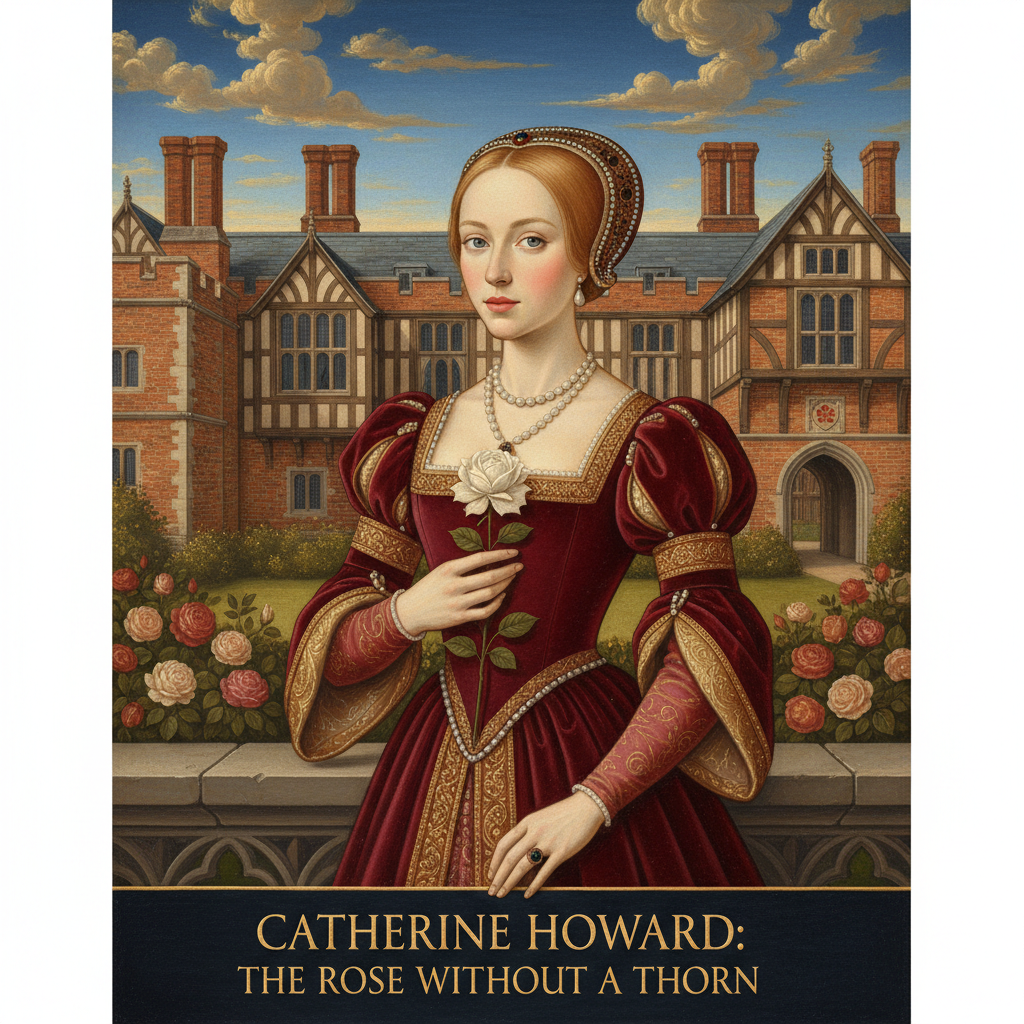
Catherine Howard: The Tragic 'Rose Without a Thorn'
Explore the tragic story of Catherine Howard, Henry VIII's fifth queen, the 'Rose Without a Thorn,' whose youthful exuberance and hidden past led to her dramatic downfall and execution.

Thomas Cranmer: Architect of the English Reformation
Explore the life of Thomas Cranmer, Archbishop of Canterbury and chief architect of the English Reformation, from his scholarly rise to his enduring legacy and dramatic martyrdom.
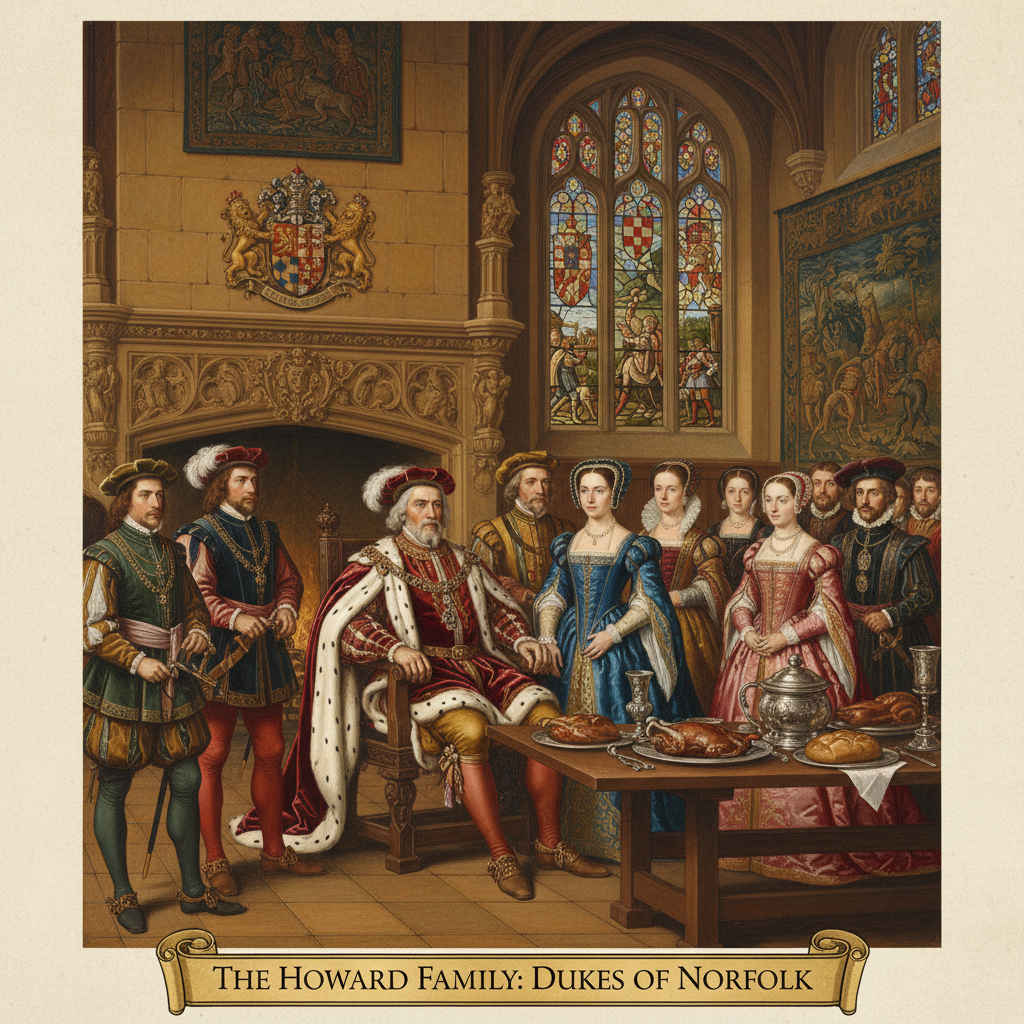
The Howard Family: Power, Peril, and Dukes of Norfolk
Explore the dramatic saga of the Howard family, Dukes of Norfolk, from their rise to power and influence in Tudor England to their perilous proximity to the crown and their enduring legacy.