Tudor Tables: A Feast of Food and Social Status
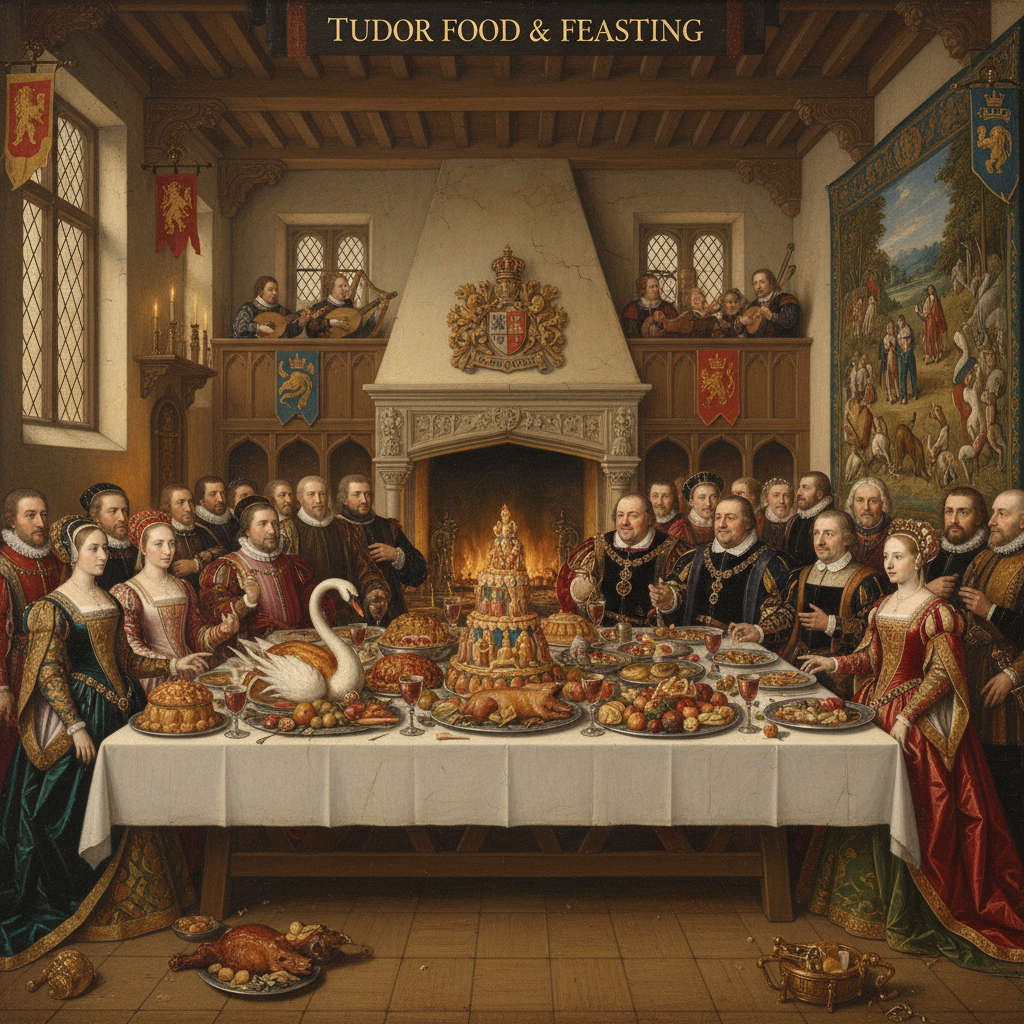
Imagine a world where your daily bread was a symbol of your standing, where spices were worth more than gold, and where a single banquet could consume the annual income of a small village. Welcome to Tudor England, a vibrant and often brutal era where food was not merely sustenance but a powerful indicator of wealth, power, and social hierarchy. From the humble pottage of the peasant to the extravagant multi-course banquets of King Henry VIII, the Tudor table tells a fascinating story of a society obsessed with status, seasonality, and the sheer spectacle of a good meal.
Forget everything you think you know about bland historical diets. Tudor cuisine, particularly at the upper echelons, was rich, diverse, and often surprisingly sophisticated, though certainly different from modern palates. It was a time of transition, with new ingredients slowly making their way across the seas, yet deeply rooted in ancient traditions and the rhythm of the agricultural year. Join us as we pull back the curtain on the kitchens and dining halls of Tudor England, exploring the delights and demands of feasting in a bygone age.
The Social Plate: What Did Different Tudors Eat?
In Tudor England, your social standing dictated almost every aspect of your life, and food was no exception. The stark contrast between the diets of the rich and the poor was perhaps nowhere more evident than on the dinner table.
The Peasant's Pottage: Survival and Simplicity
For the vast majority of the population – the peasants and labourers – life was a constant struggle for survival, and their diet reflected this reality. Their staple was 'pottage', a thick, hearty stew made from whatever vegetables were available (cabbages, onions, leeks, peas, beans), often thickened with oats or barley. Meat was a rare luxury, perhaps a bit of bacon or a rabbit if they were lucky, or fish on fast days. Bread, usually a coarse, dark rye or barley loaf, was a fundamental part of every meal.
“The poor man’s diet is bread, cheese, and ale, with a little bacon or other meat, if he can get it, and that but seldom.”
— William Harrison, “Description of England” (1577)
Dairy products like cheese and milk were important sources of protein and fat, especially in rural areas. Water was often unsafe, so ale – a weak, unhopped beer – was the common drink for all ages, providing both hydration and some nutritional value.
The Gentry's Grub: Abundance and Variety
Moving up the social ladder, the gentry and prosperous merchants enjoyed a far more varied and abundant diet. Their tables would feature a greater array of meats – beef, mutton, pork, venison (if they had hunting rights), and poultry like chickens, geese, and ducks. Fish was also plentiful, especially on the numerous fast days mandated by the Church (up to 150 days a year!).
Did You Know?
Tudor cooks often used a lot of sugar and spices, not just for flavour, but also as a display of wealth. Sugar was incredibly expensive, a luxury imported from the New World, and its lavish use in dishes, even savoury ones, showed off the host's prosperity.
Vegetables and fruits were more common, though often cooked rather than eaten raw, due to concerns about their 'cold' and 'wet' humours. Pies, pasties, and tarts were popular ways to combine meat, fruit, and spices. Fine white bread, made from sifted wheat flour, was a mark of their higher status.
The Royal Table: A Spectacle of Power and Indulgence
At the pinnacle of Tudor society sat the monarch, and their dining habits were nothing short of extraordinary. Royal banquets were not just meals; they were elaborate theatrical performances, designed to impress, intimidate, and solidify power. Henry VIII, in particular, was renowned for his gargantuan appetite and his love of lavish feasts.
The King's Kitchen: A Culinary Army
The royal household employed hundreds of staff, with a significant portion dedicated to the kitchens and buttery. Cooks, scullions, bakers, confectioners, spicers, and numerous other specialists worked tirelessly to produce meals for the monarch and their court. A typical royal dinner could involve dozens of dishes, served in multiple courses, often with elaborate 'subtleties' – intricate sugar or pastry sculptures depicting scenes, coats of arms, or mythical creatures.
- Meats: Roasts of beef, venison, boar, swan, peacock (often re-dressed in its feathers), heron, and a variety of game birds.
- Fish: Salmon, sturgeon, pike, carp, and various freshwater fish, especially during Lent and other fast days.
- Spices: Black pepper, ginger, cinnamon, cloves, nutmeg, saffron – imported and incredibly expensive, used liberally in almost all dishes.
- Sweet Treats: Marzipan, fruit tarts, custards, jellies, and candied fruits. Sugar was a status symbol, used in abundance.
- Drinks: Fine wines (often imported from France), strong ale, and hippocras (spiced wine).
Dining Etiquette and Display
Royal dining was steeped in ritual. The King would dine at a high table, often alone or with a select few, while courtiers were arranged by rank. Servants would parade dishes through the hall to the sound of trumpets, a visual and auditory feast before the eating even began. Forks were still a novelty, used primarily for sweetmeats, so most people ate with knives and spoons, or their fingers. Handwashing before and after meals was crucial, with basins and ewers provided.
The sheer quantity of food consumed, or at least prepared, was staggering. It wasn't uncommon for a royal feast to feature hundreds of dishes, many of which would be taken away by the courtiers and servants after the King had finished. This practice, known as 'perquisites', was an important part of their remuneration.
New Flavours and Changing Tastes
The Tudor period, particularly the latter half, saw the slow introduction of new ingredients from the burgeoning global trade routes. While potatoes and tomatoes would take centuries to become staples, other items began to appear on the tables of the wealthy.
The Arrival of Exotics
Sugar, as mentioned, became increasingly available, though still a luxury. Oranges and lemons, though known before, became more common. Turkey, brought back from the Americas, made its appearance, initially as an exotic novelty for grand feasts. Chocolate, coffee, and tea were still future delights, yet to arrive on English shores.
The Art of Preservation
With no refrigeration, preservation was key. Salting, smoking, pickling, and drying were essential techniques to ensure a year-round supply of food. Fish was heavily salted, meats were cured, and vegetables were pickled. Honey was a primary sweetener before sugar became more widespread, and also used in preservation.
Tudor food, therefore, was a reflection of its time: a blend of ancient traditions, strict social hierarchies, and the first whispers of a globalized world. It was a world where a banquet was a declaration of power, where spices were currency, and where every meal, from the simplest pottage to the most elaborate royal feast, told a story of life in England under the Tudors.
Exploring Tudor food offers a unique window into the daily lives, beliefs, and social structures of this fascinating era. It reminds us that history isn't just about kings and queens, but also about the fundamental human experience of putting food on the table, whatever that table might have looked like.
TAGS
Discussion
No comments yet
Be the first to share your thoughts on this article!
You May Also Like
Continue exploring Tudor history with these related articles

Sir Walter Raleigh: Explorer, Poet, and Queen Elizabeth's Favourite
Explore the dramatic life of Sir Walter Raleigh, Queen Elizabeth I's controversial favourite. From his rise as a dashing courtier and explorer of Virginia to his tragic execution under James I, Raleigh embodied the ambition and peril of the Tudor and Stuart eras.

Tudor Tables: A Feast for the Senses and Society
Explore the fascinating world of Tudor food and feasting, from peasant pottage to royal banquets. Discover how diet reflected social status, the role of spices, and the elaborate spectacles of 16th-century dining.

The Soundtrack of the Sixteenth Century: Tudor Music and Entertainment
Explore the vibrant world of Tudor music and entertainment, from the sophisticated polyphony of the royal court under Henry VIII and Elizabeth I to the raucous ballads and public spectacles enjoyed by commoners.

Tudor Fun: Sports, Games & Pastimes of the Tudor Era
Dive into the vibrant world of Tudor sports and pastimes! From royal jousts and noble hunts to chaotic football and popular archery, discover how Tudors entertained themselves across all social classes.